Nose surgery · Planning guide for international patients
Rhinoplasty in Turkey
What rhinoplasty can change, how Turkish surgeons plan it, what it costs and what to confirm in writing before you travel — so you can compare options on more than price.
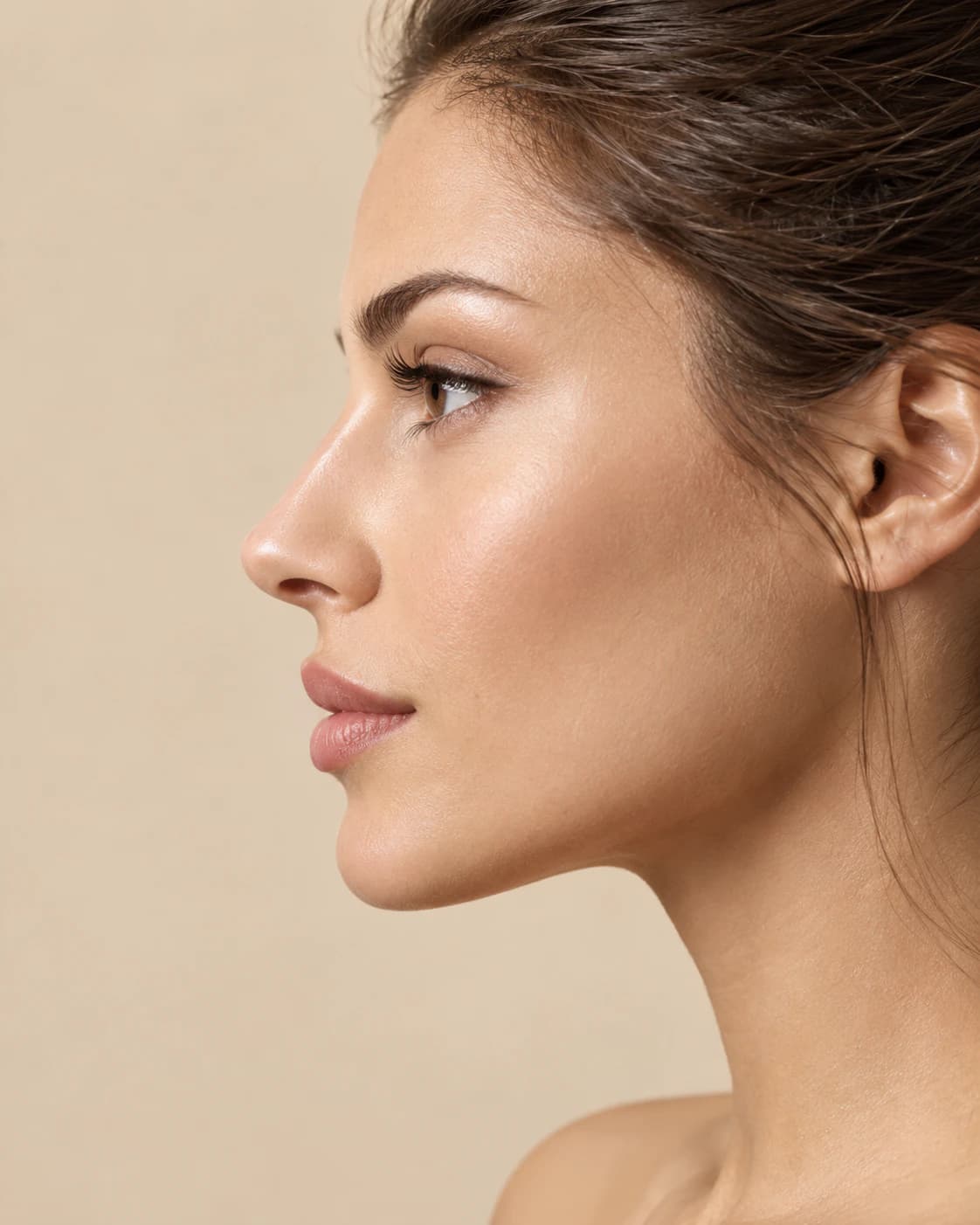
- Duration
- 1.5–3 hours
- Anaesthesia
- General anaesthesia (most commonly)
- Hospital stay
- 1 night
- Recommended Turkey stay
- 7–10 days
- Initial recovery
- 7–10 days
- Final result
- 12–18 months
Last verified
15 August 2026
Rhinoplasty is surgery that changes the shape of the nose — its bridge, tip, width or angle — and, when the operation includes the septum or nasal valves, how well air passes through it. Patients travel to Turkey for it mainly because private prices are generally lower than in the UK, Western Europe or the US, and because many Turkish plastic surgeons and ear, nose and throat surgeons perform nasal surgery regularly.
No two rhinoplasty plans are the same. A small hump reduction and a crooked nose with a blocked airway are very different operations, with different operating times, recovery and cost. A meaningful plan — and a meaningful price — only exists after a surgeon has examined your nose, including the inside of it. Everything below is written to help you get to that point with the right questions.
01
What Rhinoplasty Can and Cannot Change
The nose is built from paired nasal bones at the top, cartilage in the lower two-thirds, and the septum, the partition that divides the airway and supports the tip. Rhinoplasty works on these structures through small incisions and then lets the skin re-drape over the new framework.
Surgery can typically:
- reduce or smooth a hump on the bridge (the dorsum)
- narrow wide nasal bones by controlled bone cuts called osteotomies
- refine, lift or support a drooping or bulbous tip
- straighten a nose that deviates to one side
- reduce the width of the nostrils
- improve breathing when a deviated septum or collapsing valves are the cause
What it cannot do is override your skin and anatomy. Thick skin hides fine detail; thin skin shows every irregularity; a nose that is made much smaller than the face can look operated on and may breathe worse. The goal of a good plan is a nose that suits your face and works, not a nose copied from a photograph.
02
Primary, Revision and Combined Rhinoplasty
The type of operation you need changes almost everything that follows, including who you should see.
| Type | What it addresses | What changes in planning |
|---|---|---|
| Primary rhinoplasty | A nose that has never been operated on | Surgeon works with intact cartilage and normal tissue planes |
| Septorhinoplasty | Shape and a deviated septum at the same time | Airway assessment is central; septal cartilage may be reused as graft material |
| Tip rhinoplasty | The lower nose only, with the bridge left as it is | Shorter operation in selected cases; tip support and skin thickness dominate the plan |
| Revision rhinoplasty | A nose already operated on | Scar tissue, missing cartilage and previous operation notes shape the plan; grafts from ear or rib are more often needed |
| Functional surgery only | Blocked breathing without a wish to change shape | Often septoplasty with or without turbinate reduction rather than cosmetic rhinoplasty |
If your nose has been operated on before, read revision rhinoplasty in Turkey — it is a different operation with different selection criteria. If breathing is your only concern, septoplasty may be the relevant procedure.
03
Is Rhinoplasty Suitable for You?
Suitability is decided by a surgeon after examination, but some factors reliably shape the decision:
- Age and growth. The nose keeps developing through the teens, so cosmetic rhinoplasty is usually planned once facial growth is complete.
- Clear, specific goals. "Reduce the hump and lift the tip slightly" gives a surgeon something to plan; "make it perfect" does not.
- Breathing history. Snoring, one-sided blockage, previous nasal fractures and allergies all change the assessment.
- Smoking and nicotine. Nicotine impairs blood flow to skin and cartilage; most surgeons ask patients to stop well before and after surgery.
- Medication and health. Blood thinners, some supplements, bleeding disorders and uncontrolled medical conditions need disclosure before any plan is made.
- Psychological readiness. A surgeon may decline to operate when the concern is very minor or the expectation is not achievable. That is a sign of care, not an obstacle.
04
How Surgeons Plan Your Rhinoplasty
Careful planning has a large influence on the result, and surgeons' approaches to it vary.
Examination of the outside and inside of the nose
A proper assessment looks at proportions from the front, side and base; the strength and shape of the tip cartilage; skin thickness; and the inside of the nose, including the septum, the nasal valves and the turbinates. Airway function belongs in every cosmetic plan: a clinical practice guideline from the American Academy of Otolaryngology–Head and Neck Surgery recommends that surgeons assess nasal airway obstruction before rhinoplasty and discuss how the operation may affect breathing.
Skin thickness
Skin thickness is easy to overlook, but it affects the result. Thick, oily skin limits how much definition the tip can show, swells for longer and may need specific surgical and post-operative management; very thin skin gives crisp results but reveals small irregularities. Ask your surgeon to tell you, in plain terms, what your skin type means for your result.
Open or closed approach
In an open rhinoplasty the surgeon adds a small incision across the columella, the strip of skin between the nostrils, to see the cartilage directly. A closed rhinoplasty keeps all incisions inside the nostrils. Neither is better for everyone: open approaches are common for complex tip work, grafting and revisions; closed approaches suit selected changes. The useful question is not "which is best" but "why is this approach right for my nose".
Cartilage and grafts
Many rhinoplasties use small pieces of cartilage to support or shape the tip or bridge. The first source is usually the septum; ear or rib cartilage is used when septal cartilage is insufficient, which is more common in revisions. Graft needs change operating time, recovery and cost, so they should be discussed before a price is agreed.
Computer imaging
Some clinics show a digitally altered photograph of your face. It can help you and the surgeon agree on direction, but it is a communication tool, not a promise of the result.
05
What Can Change After the In-Person Examination
International patients often receive a plan based on photographs, then meet the surgeon a day or two before surgery. It is normal for the plan to change at that point, because photographs cannot show:
- the strength and shape of the cartilage under the skin
- how much septal cartilage is available for grafts
- internal deviation, valve collapse or enlarged turbinates
- the true thickness and quality of the skin
Changes can move the operation from a simple rhinoplasty to a septorhinoplasty, add graft harvesting from the ear or rib, or occasionally lead the surgeon to advise against surgery. Before you travel, ask in writing what happens to the price and to your deposit if the plan changes after examination, and what happens if surgery cannot go ahead.
06
Rhinoplasty Cost in Turkey
In September 2026, prices advertised by Turkish hospitals and clinics for primary rhinoplasty mostly fell between about €2,500 and €5,600. The lower end usually describes a basic package; the upper end typically includes a hospital stay, anaesthesia and more senior surgeons. Advertised starting prices for revision rhinoplasty were commonly about €3,500–€5,000, rising substantially for reconstruction with rib cartilage — see revision rhinoplasty in Turkey.
These are advertised figures observed on providers' own websites and international booking platforms — not quotes. Your price depends on the plan made after examination, and the final cost can differ from an estimate given from photographs.
| Cost factor | Why it may change the price | What to confirm |
|---|---|---|
| Primary or revision surgery | Revisions take longer, often need grafts and carry more uncertainty | Whether the quote assumes primary or revision surgery |
| Septum and airway work | Septorhinoplasty or turbinate reduction adds operating time | Whether breathing surgery is included and why |
| Cartilage grafts | Ear or rib harvesting adds a second surgical site | Which graft source is planned and what a change would cost |
| Surgeon | Senior surgeons and those focused on nasal surgery often charge more | Who performs each part of the operation |
| Facility | A hospital with overnight stay usually costs more than a day-case clinic | Where surgery takes place and whether a night in hospital is included |
| Anaesthesia | General anaesthesia by a specialist anaesthetist is standard for most rhinoplasties | That anaesthesia and the anaesthetist's fee are included |
| Aftercare | Splint removal, taping and follow-up visits may be priced separately | How many post-operative checks are included |
| Travel services | Hotel nights and transfers vary widely between packages | Hotel standard, number of nights and who pays for extra nights |
The same operation abroad
The UK and US figures are published by each country's own national body; the Türkiye range is the one recorded on this site from Turkish providers. Nothing is converted between currencies, and the US figure is a surgeon fee that excludes anaesthesia and the operating room — so the real US total is higher than shown.
| Procedure | TürkiyeAdvertised package prices | United KingdomNHS — typical private total | United StatesASPS — surgeon fee only | Continental EuropeNo published source |
|---|---|---|---|---|
| Rhinoplasty | €2,500 – €5,600 | £4,000 – £7,000 | $7,637Surgeon fee only — not a total | Not published |
What each figure includes
Türkiye
€2,500 – €5,600What the figure covers
Range of prices advertised by Turkish providers
Observed on provider websites by this siteRecorded 2026-09-15
United Kingdom
£4,000 – £7,000What the figure covers
Typical total price paid privately
Not included
- Consultations
- Follow-up care
- Any further surgery
NHS (nhs.uk)Recorded 2026-09-08
United States
$7,637What the figure covers
Average surgeon fee only
Not included
- Anaesthesia
- Operating room / facility fees
- Other related expenses
Because those are excluded, this is a floor rather than what a patient pays. The real total is higher.
American Society of Plastic Surgeons (ASPS)Recorded 2026-09-08
07
What a Rhinoplasty Package in Turkey May Include
Depending on the clinic and the quotation, a package may include:
- consultation and pre-operative blood tests
- the operation, anaesthesia and operating-room fees
- one night in hospital
- the nasal splint, dressings and prescribed medication
- splint removal and one or more follow-up checks before you fly
- hotel nights and airport and clinic transfers
- an interpreter or patient coordinator
No provider includes all of these as standard. Treat anything that is not written on the quote as not included.
08
What to Check in Your Rhinoplasty Quote
A useful rhinoplasty quote names the operation precisely. Look for:
- the exact procedure — rhinoplasty, septorhinoplasty or revision — and whether open or closed surgery is planned
- any turbinate surgery, graft harvesting or other additional procedure
- the operating surgeon by name and who administers anaesthesia
- the hospital or clinic, and whether an overnight stay is included
- tests, medication, splints and tapes
- how many post-operative checks are included and when
- hotel nights, transfers and interpreter support, if offered
- the revision policy: when a revision would be considered, who decides, and what it would cost
- the deposit amount, currency, refund conditions and what happens if the plan changes after examination
09
Surgeons Offering Rhinoplasty in Turkey
The profiles below list rhinoplasty among the procedures they perform, from the surgeon's own website, a hospital staff page or our register. The order reflects profile completeness, not skill.


Use the profiles to shortlist, then compare surgeons on the criteria in the next section rather than on photographs or price alone.
10
Choosing a Surgeon for Rhinoplasty in Turkey
There is no single best rhinoplasty surgeon for every nose. The right surgeon for you is one whose training and regular work match your case.
- Specialist training. In Turkey, rhinoplasty is performed by plastic, reconstructive and aesthetic surgeons and by ear, nose and throat surgeons. Ask for the specialist certificate and check membership of professional societies where claimed.
- Experience with your type of nose. Ask how often the surgeon performs rhinoplasty, and specifically primary, revision, thick-skin or ethnic rhinoplasty if that describes you.
- Airway assessment. A surgeon who never looks inside your nose before planning a cosmetic change is not assessing the whole problem.
- Honest limitations. Good consultations include what will not change, how swelling affects early appearance and what the surgeon's approach is to revision.
- Relevant results. Photographs are most useful when they show patients with anatomy and goals similar to yours, taken from the same angles, at least a year after surgery.
- Who operates. Confirm that the surgeon you consult performs the key steps of your operation.
- Aftercare from abroad. Ask who reviews your recovery once you are home, how, and for how long.
11
Choosing a Hospital or Clinic for Rhinoplasty
Most rhinoplasties are performed under general anaesthesia, so the facility matters as much as the surgeon. Confirm that the operation takes place in a hospital or a licensed surgical facility with a specialist anaesthetist, recovery monitoring and a clear plan for bleeding or breathing problems in the first hours. Facilities treating international patients should appear on the HealthTürkiye list of certified health service providers; Turkey's 2025 health tourism regulation also requires complication insurance for procedures performed in operating rooms.
32 hospitals and clinics list rhinoplasty.
12
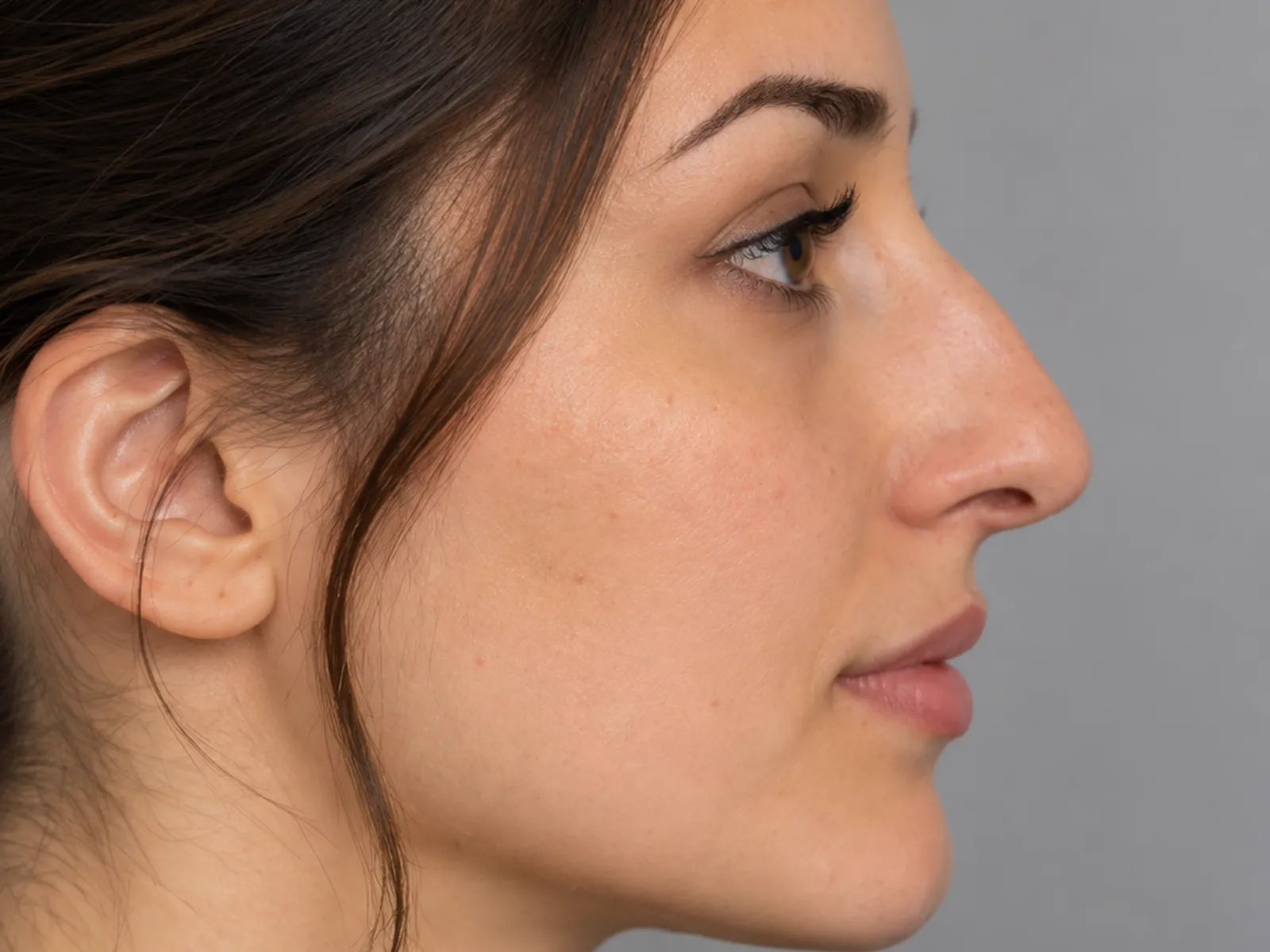
Before-and-After Photos: How to Read Them
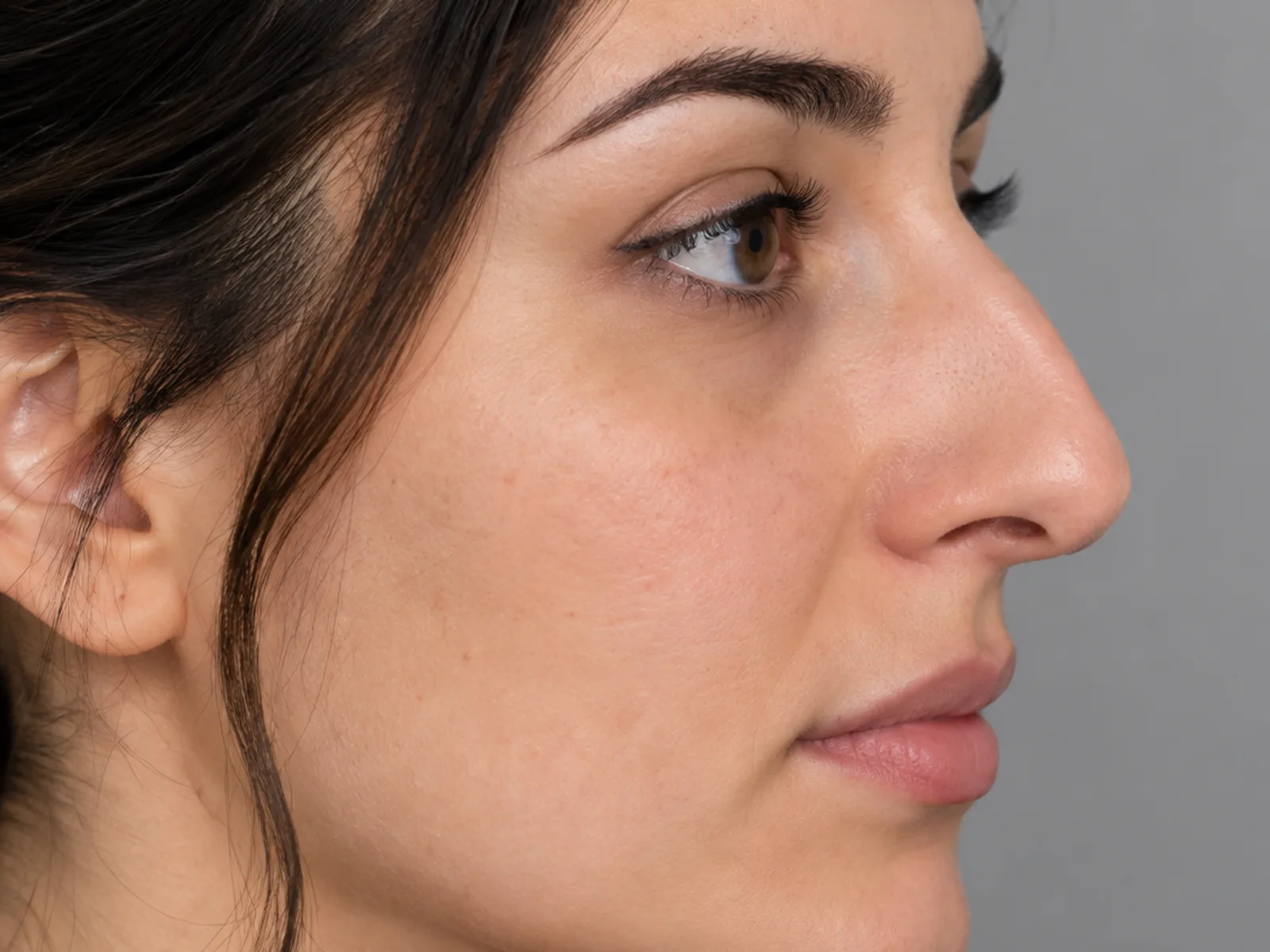
Before-and-after photographs show what a surgeon has achieved for other people; they cannot predict your result. When comparing them, look for noses that started like yours, identical lighting and angles in both photographs, no make-up or filters, profile and base views as well as the front, and follow-up of at least twelve months — the nasal tip keeps changing well after the first months.

 BeforeAfter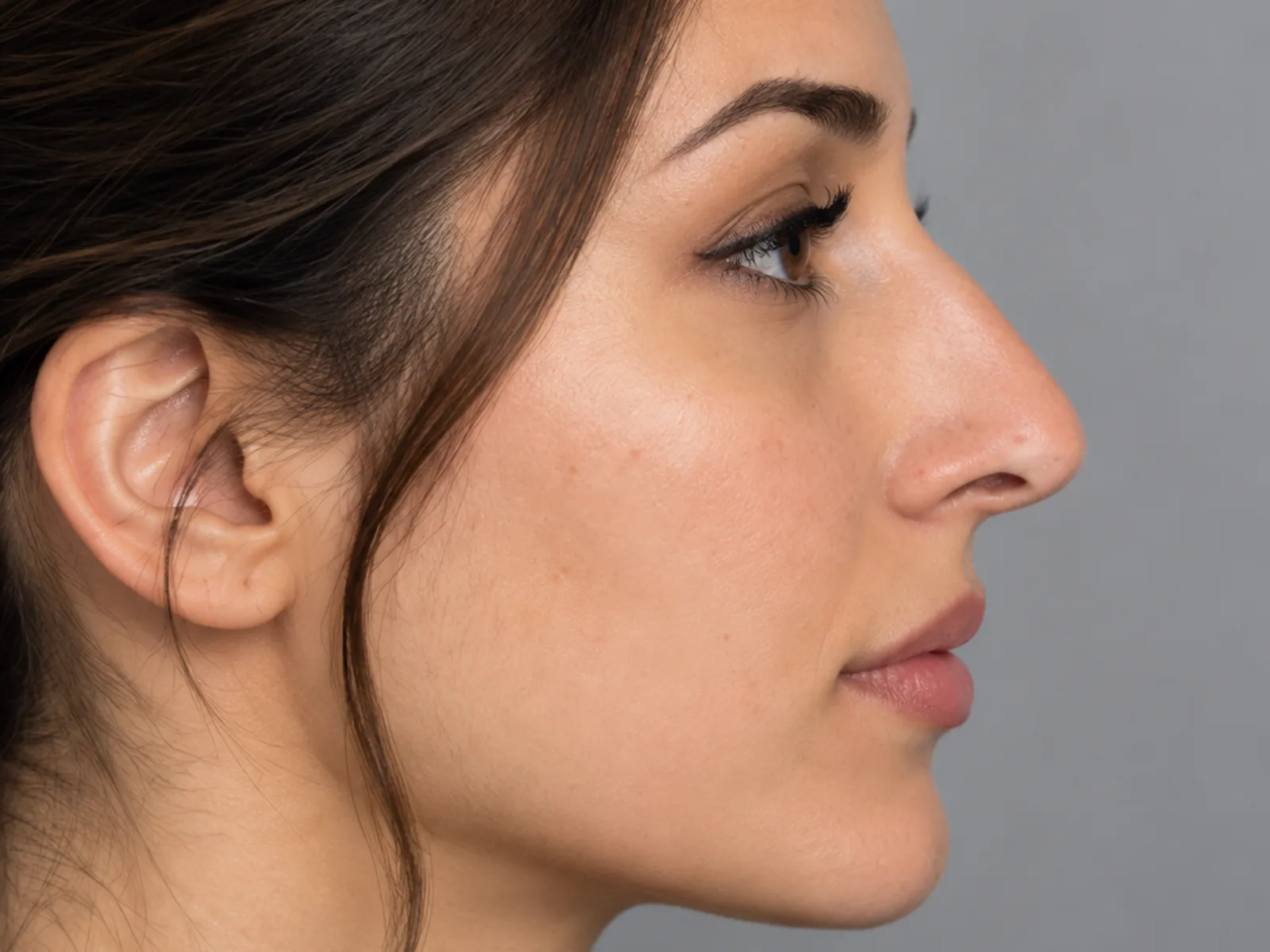
 BeforeAfter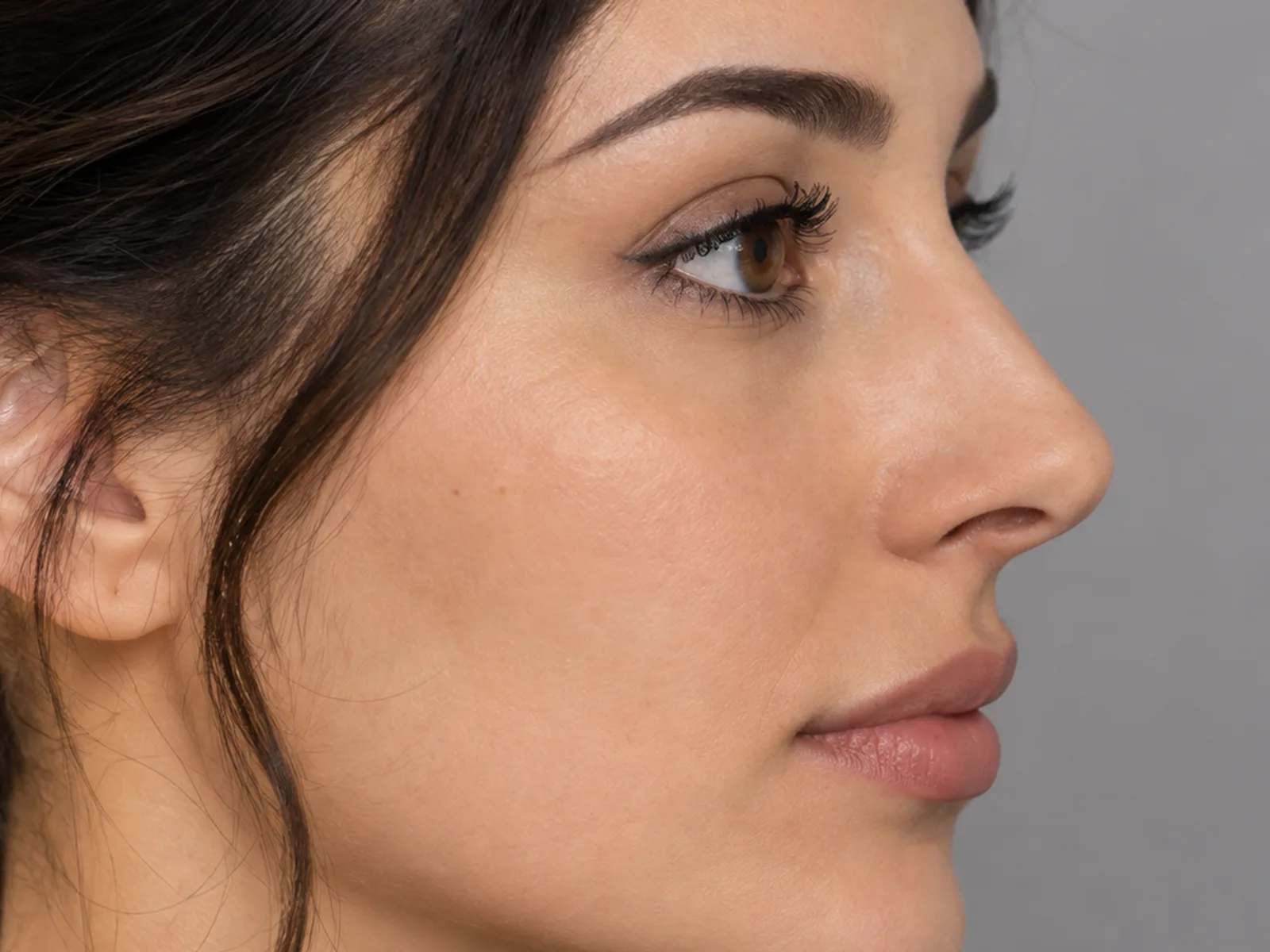
 BeforeAfter
13
The Operation and Anaesthesia
Rhinoplasty usually takes between one and a half and three hours, longer for revision or graft-heavy surgery. It is most commonly performed under general anaesthesia. The surgeon makes incisions inside the nose (and across the columella in open surgery), reshapes bone and cartilage, places any grafts, and closes. An external splint is applied, and internal splints or packing are sometimes used. Many patients stay one night in hospital.
14
Recovery After Rhinoplasty
Recovery follows a broad pattern, although your own timeline depends on the operation and on how you heal.
| Period | What is typical | What to plan |
|---|---|---|
| First 48 hours | Swelling, bruising around the eyes, a blocked nose, mild bleeding | Rest with the head raised; someone available to help |
| Around one week | External splint removed; bruising fading | Most patients plan desk work or social activity after about 7–10 days |
| Weeks two to six | Visible swelling settles gradually; the nose may feel stiff or numb | Avoid contact sports, heavy exercise and pressure from glasses as advised |
| Months two to six | The shape becomes clearer, especially along the bridge | Remote follow-up photographs as agreed with the surgeon |
| 12–18 months | Tip swelling continues to resolve, particularly with thick skin | Final assessment; revision is not usually considered before this point |
15
Risks and Safety Considerations
Like any operation, rhinoplasty is not risk-free. The main risks are bleeding and nosebleeds, infection, prolonged swelling, numbness of the nasal skin, asymmetry, visible irregularities, changes in breathing, and a result that does not meet your expectations. Less common complications include a hole in the septum, skin problems over grafts and complications of anaesthesia.
Some patients go on to need a revision to adjust shape or airflow. Your individual risk depends on your anatomy, whether this is a first or repeat operation, how much structure is changed and whether you smoke. Ask your surgeon to explain which risks matter most in your case and how complications would be managed both in Turkey and after you return home.
16
How Long to Stay in Turkey and When to Fly
Most patients plan around 7–10 days in Turkey after rhinoplasty, which usually allows the splint to be removed and a check before flying. That is a planning range, not a clearance: when you can fly depends on bleeding, swelling, anaesthesia recovery and your surgeon's assessment. Flying with a swollen nose is uncomfortable rather than dangerous for most patients, but a nosebleed or breathing difficulty should be reviewed before departure.
Before you leave, collect your operation notes, the list of any grafts used, your medication plan and the name of the person who will answer questions once you are home.
17
What to Send for a Preliminary Assessment
A surgeon can give a preliminary opinion from photographs and history, but not a final plan. Send:
- age, height, weight, smoking status, medical conditions, medication and allergies
- previous nasal injuries, operations or filler injections, with operation notes if you have them
- breathing symptoms: blockage, snoring, nosebleeds, sinus problems
- what you would like changed and anything you do not want changed
- photographs: front, both sides, both three-quarter views and a base view from below, in daylight, without make-up, filters or smiling, with hair off the face
A remote review helps you shortlist and plan travel. It does not replace the physical examination, and the plan — and price — can change after it.
18
From First Enquiry to Follow-Up at Home
- You send your request with medical history and photographs.
- The information is reviewed and suitable options are discussed.
- A preliminary plan and an estimated cost are requested in writing.
- You compare surgeons and facilities, not just prices.
- Dates, deposit terms and what the deposit reserves are confirmed.
- You travel to Turkey and attend an in-person examination.
- The surgeon confirms, changes or declines the plan.
- Surgery takes place only if it is clinically appropriate.
- You are reviewed after surgery and the splint is removed.
- You fly home when your surgeon considers it appropriate.
- Follow-up continues remotely, and in person if needed, according to the provider's plan.
19
Rhinoplasty in Istanbul and Other Turkish Cities
Rhinoplasty is performed across Turkey, with the largest numbers of surgeons and facilities in Istanbul, followed by Ankara and İzmir. City choice affects travel, accommodation and follow-up logistics more than the operation itself.
20
Request Rhinoplasty Options
Send your photographs, breathing history and any previous operation notes to receive rhinoplasty options that match what you are looking for. A request is not a booking, nobody here diagnoses you, and every plan remains subject to examination by the operating surgeon.
21
Frequently asked questions
What can rhinoplasty change about the nose?+
Rhinoplasty reshapes the bone and cartilage framework of the nose to change its size, profile or proportions. Depending on the plan, a surgeon may reduce a hump on the nasal bridge, narrow wide nasal bones, refine or rotate the nasal tip, adjust the nostrils, or straighten a crooked nose. When the septum is also corrected to improve airflow, the operation is called septorhinoplasty. What rhinoplasty cannot do is give you a nose copied from a photograph: the result depends on your skin, cartilage strength and facial proportions, which is why the plan is set after an in-person examination.
Who is a suitable candidate for rhinoplasty?+
Suitable candidates are generally people whose facial growth is complete, who are in good health, and who have specific, realistic goals for their nose. Many surgeons prefer to wait until the late teens because the nose continues developing through adolescence. Smoking slows healing, so most surgeons ask patients to stop well before and after surgery. A good assessment also covers breathing, previous nasal injuries or surgery, and allergies. A responsible surgeon will also explore expectations carefully and may decline to operate if the concern is very minor or the hoped-for change is not achievable.
Is open or closed rhinoplasty better?+
Neither technique is better for every patient; the right choice depends on the changes needed and your anatomy. Open rhinoplasty adds a small incision across the columella, the strip of skin between the nostrils, so the surgeon can see the tip cartilages directly. It is often chosen for complex tip work, grafting and many revision cases. Closed rhinoplasty keeps all incisions inside the nostrils, leaving no external scar, and can suit selected changes such as reducing a hump. The open-technique scar usually fades well. Ask your surgeon why they recommend one approach for your nose.
Can rhinoplasty improve breathing as well as appearance?+
Rhinoplasty can improve breathing when the obstruction comes from the nose's structure, such as a deviated septum, weak or collapsing nasal valves, or enlarged turbinates. Correcting these while reshaping the nose is called functional or septorhinoplasty. Blockage caused by allergies, polyps or sinus disease needs different treatment, so an internal nasal examination matters before surgery. Cosmetic changes can also affect airflow: narrowing a nose without preserving its support may worsen breathing, which is why function should be part of every rhinoplasty plan. If breathing is your main concern, read about septoplasty for a deviated septum.
How does skin thickness affect rhinoplasty results?+
Skin thickness strongly influences how much definition rhinoplasty can show. Thick, oily nasal skin tends to hide fine changes to the cartilage underneath, holds swelling for longer, and can make a sharply refined tip difficult to achieve. Very thin skin reveals detail well but can also show small irregularities in bone or cartilage over time. Surgeons assess skin type at consultation and adapt the plan, for example by strengthening tip support for thick skin or smoothing edges carefully for thin skin. Asking how your skin type may affect your result is one of the most useful consultation questions.
What is recovery like after rhinoplasty?+
Recovery usually begins with an external splint for about a week, with bruising and puffiness around the eyes that often settles over one to two weeks. Many patients return to desk work within 7–10 days. Most visible swelling fades over the first few months, but the nasal tip can stay subtly swollen much longer, and the final result is commonly judged at 12–18 months. Surgeons generally advise avoiding strenuous exercise, contact sports, nose blowing and resting glasses on the bridge for several weeks. Follow your own surgeon's written instructions, as they vary with the techniques used.
What are the main risks of rhinoplasty?+
The main risks of rhinoplasty include bleeding, infection, prolonged swelling, numbness of the nasal skin, asymmetry, changes in breathing, and a result that does not meet your expectations. Less common problems include a hole in the septum (septal perforation), visible irregularities, and complications related to anaesthesia. Some patients go on to need revision surgery to adjust the shape or improve airflow. The likelihood of each problem depends on your anatomy, whether it is a first or repeat operation, and the complexity of the plan, so ask your surgeon to explain how these risks apply to you specifically.
How long should I stay in Turkey after rhinoplasty?+
Most patients are advised to plan around 7–10 days in Turkey after rhinoplasty, long enough for the splint to be removed and a post-operative check before flying home. A typical plan includes one night in hospital. Flying with a swollen nose is usually uncomfortable rather than dangerous, but your surgeon should confirm you are fit to travel. Before leaving, make sure you have written aftercare instructions, a copy of your operation notes, and a named contact for questions once you are home. Our guide to flying after cosmetic surgery covers what to plan for.
What affects the cost of rhinoplasty in Turkey?+
The cost of rhinoplasty in Turkey depends mainly on the surgeon's fee, the hospital, anaesthesia and the complexity of the operation. Functional work on the septum or turbinates, cartilage grafting, and especially revision surgery usually take longer and cost more. Quotes may or may not include pre-operative tests, the hospital night, splints and dressings, medication, follow-up visits, accommodation and transfers. Compare written, itemised quotes rather than headline prices, and ask what happens financially if a touch-up is needed. See our rhinoplasty cost breakdown for recorded price ranges and what they cover.
How do I choose a rhinoplasty surgeon in Turkey?+
Choose a surgeon with recognised specialist training and substantial rhinoplasty-specific experience, rather than general cosmetic experience. In Turkey, rhinoplasty is performed by plastic, reconstructive and aesthetic surgeons and by ear, nose and throat surgeons with facial plastic training. Review before-and-after photos of patients whose noses resemble yours, ask how often the surgeon performs primary and revision rhinoplasty, and confirm that breathing will be assessed. Also ask who performs each part of the operation and how follow-up works after you return home. You can compare surgeons who list rhinoplasty on our directory.
22
Medical references
- [1]Certified health service providers (international health tourism) — HealthTürkiye — Ministry of Health / USHAŞ
- [2]Rhinoplasty — American Society of Plastic Surgeons
- [3]Clinical Practice Guideline: Improving Nasal Form and Function after Rhinoplasty — Ishii LE et al., Otolaryngology–Head and Neck Surgery, 2017
- [4]Optimizing Outcomes in Thick-Skinned Rhinoplasty: Surgical Maneuvers and Perioperative Medical Management — A Narrative Review — Bayar Muluk N et al., Aesthetic Surgery Journal, 2026
- [5]Cosmetic surgery abroad — NHS
Medical disclaimer
This content is educational and does not constitute medical advice or a diagnosis. It is not a substitute for an individual assessment by an appropriately qualified healthcare professional. Risks, suitability, and outcomes vary by patient. Prices are estimates unless confirmed by a provider's written quotation. Inclusion of any doctor or facility on this site is not a guarantee of outcome. Read the full medical disclaimer.
Why Türkiye
What Türkiye offers, and how to check it
A national authorisation scheme, specialist surgeons and prices set beside those of the countries patients travel from — each with a source you can check.
A national authorisation scheme
Hospitals and clinics treating international patients must hold a Ministry of Health health-tourism authorisation and, under the 2025 regulation, must also carry complication insurance for operating-room procedures.
How providers are checked1,935 plastic surgery specialists
Plastic, reconstructive and aesthetic surgery is its own specialty in Türkiye, and every profile states the surgeon's title, what we checked and, where we hold it, where they practise.
Meet the surgeonsPrices you can compare in the open
Türkiye set against the NHS and American Society of Plastic Surgeons figures for the same operation — nothing converted between currencies, every figure dated.
Compare the figures845 hospitals and clinics, 70 cities
1,949 surgeons and 40 procedures listed, from Istanbul and Ankara to İzmir and Antalya — and a patient team to help you shortlist.
See the hospitals