Plastic & Cosmetic Surgery in Turkey
Septoplasty in Turkey
Compare surgeons, costs, treatment options, recovery information and patient results.
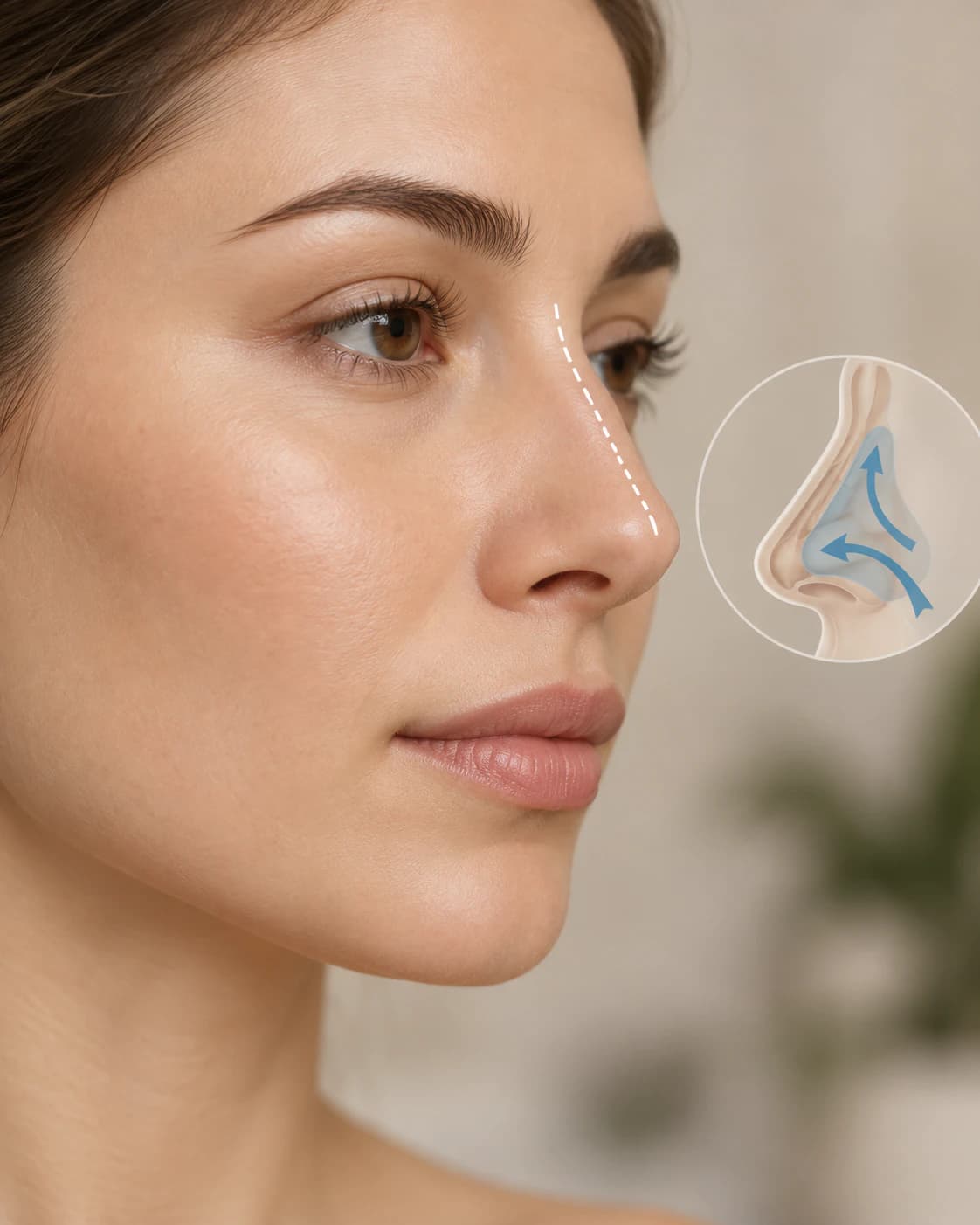
Septoplasty straightens a deviated nasal septum to improve airflow through the nose. It is a functional operation rather than a cosmetic one, though it is often performed at the same time as rhinoplasty.
- Duration
- Typically 45–90 minutes
- Anaesthesia
- General anaesthesia, or local with sedation in selected cases
- Hospital stay
- Usually a day case
- Recommended Turkey stay
- Typically around 7–10 days before flying
- Initial recovery
- About 1–2 weeks; internal swelling settles over longer
- Final result
- Breathing usually improves over 4–8 weeks as swelling resolves
01
What is Septoplasty?
The septum is the wall of cartilage and bone dividing the two nasal passages. When it is significantly deviated it can obstruct breathing on one or both sides, contribute to snoring, and cause recurrent congestion. Septoplasty straightens or removes the deviated portion, working through incisions inside the nose. On its own it is not intended to change the external appearance of the nose. Where both breathing and appearance are to be addressed, the combined operation is called a septorhinoplasty. It is worth being clear with your surgeon about which you are having, since the aims, and often the funding route, differ.
02
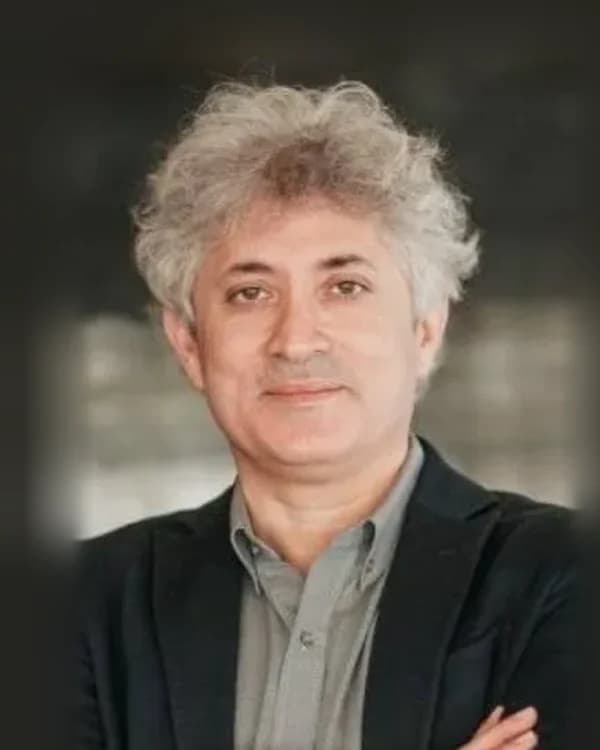
Surgeons offering Septoplasty
03
Cost in Turkey
What affects price
Price varies with whether turbinate surgery or rhinoplasty is combined, anaesthesia, facility, and surgeon experience.
04
Types & techniques
These are variants of the same operation, not a ranking. Which one suits you is a surgical judgement made after examination — the differences below are what that conversation is about.
Traditional septoplasty
The deviated cartilage and bone are straightened or partially removed through an incision inside the nose.
Endoscopic septoplasty
Performed with an endoscope for improved visualisation, particularly for isolated posterior deviations.
Septorhinoplasty
Combined functional and aesthetic surgery, correcting the septum while also reshaping the external nose.
Turbinate reduction
Often performed alongside septoplasty, reducing swollen structures on the side wall of the nose that also restrict airflow.
05
Who may be suitable
May be suitable
- People with nasal obstruction attributable to a deviated septum
- Those whose symptoms persist despite medical treatment such as nasal steroid sprays
- People in good general health whose facial growth is complete
May not be suitable
- People whose blockage is caused by allergy or inflammation rather than structure, where medical treatment is usually tried first
- Those with untreated bleeding disorders
- People with active nasal infection
- Anyone expecting a change in nasal appearance from septoplasty alone
Medical assessment required: Suitability can only be confirmed by a qualified surgeon who has examined you in person and reviewed your medical history.
06
Recovery timeline
- Stages
- 4
- Begins
- First week
- Final stage
- 3–6 months
First week
Stage 1 of 4Nasal congestion and crusting are expected — the nose usually feels more blocked initially, not less. Splints or dressings may be in place.
Weeks 2–4
Stage 2 of 4Congestion improves as internal swelling settles. Nasal rinses are commonly advised.
Weeks 4–8
Stage 3 of 4Breathing improvement becomes clearer. Strenuous activity resumed as advised.
3–6 months
Stage 4 of 4Internal healing completes.
Typical stages, not a schedule you are held to. Healing varies with anatomy, technique and general health, and your surgeon's own aftercare instructions override anything here.
Limitations
What it cannot do, and where expectations often run ahead.
Septoplasty treats structural obstruction from the septum. It does not treat allergy, sinus disease, or change the external appearance of the nose.
Scarring
Where marks are left, and how they typically settle.
Incisions are inside the nose, so there is no visible external scar in a standard septoplasty.
07
Risks & complications
| Risk | What it means |
|---|---|
| Bleeding and haematoma | A collection of blood inside the nose (septal haematoma), occasionally needing a further procedure to drain it. |
| Infection | Usually treated with antibiotics; rarely requires a further procedure to drain or clean the wound. |
| Anaesthetic complications | Risks specific to the anaesthetic used, which the anaesthetist should discuss with you separately. |
| Unsatisfactory result | Part of the deviation may remain, or the result may not match expectations. May require revision surgery. |
| Septal perforation | A hole through the septum, which can cause whistling, crusting or bleeding and may need repair. |
| Persistent obstruction | Breathing may not improve as much as hoped, particularly where allergy also contributes. |
| Change in nasal shape | Uncommon, but loss of septal support can affect the external shape, particularly the bridge or tip. |
| Reduced sense of smell | Usually temporary from swelling; rarely persistent. |
| Adhesions | Scar bands forming inside the nose, which may need division. |
What applies to every procedure: symptoms that need help now, flying after surgery and insurance.
08
Alternatives
Nasal steroid sprays, antihistamines and allergy management are usually tried first where inflammation contributes. Turbinate reduction addresses a different cause of obstruction.
09
Frequently asked questions
What is septoplasty?+
Septoplasty is an operation to straighten a deviated nasal septum, the wall of cartilage and bone that divides the left and right nasal passages, in order to improve airflow. The surgeon works through incisions inside the nose, lifts the lining, and trims, repositions or straightens the bent sections before replacing the lining. Because it is performed internally, septoplasty usually leaves no visible scar. Its purpose is functional: it aims to relieve nasal obstruction and related symptoms rather than change how the nose looks, although it is sometimes combined with cosmetic rhinoplasty.
How do I know if a deviated septum is causing my blocked nose?+
Only an examination can confirm whether a deviated septum is the cause of nasal blockage. Typical symptoms include a nose that feels blocked on one or both sides, mouth breathing, noisy breathing or snoring, and difficulty breathing during exercise. Many other conditions cause similar symptoms, including allergic rhinitis, nasal polyps, chronic sinusitis, enlarged turbinates and collapsing nasal valves. A specialist usually examines the inside of the nose, often with an endoscope, and may request a CT scan. Medical treatment is commonly tried first when inflammation or allergy is contributing to the problem.
What is the difference between septoplasty and septorhinoplasty?+
Septoplasty corrects the septum inside the nose to improve breathing, while septorhinoplasty combines that correction with reshaping the external nose. Septorhinoplasty may be recommended when the outside of the nose is also crooked, when the front part of the septum is severely bent and affects the nose's support, or when a patient wants cosmetic changes at the same time. Combining them avoids a second anaesthetic but lengthens the operation and recovery. If you are considering a change in shape as well as breathing, read about rhinoplasty in Turkey.
Is septoplasty often combined with turbinate reduction?+
Septoplasty is often combined with turbinate reduction when enlarged turbinates also contribute to blockage. Turbinates are ridges of tissue on the side walls of the nose that warm and humidify air; when chronically swollen, they narrow the airway. Surgeons can reduce them with techniques such as radiofrequency, coblation or partial removal, while trying to preserve their function. Treating the septum alone may not relieve symptoms if turbinates are significantly enlarged, and removing too much turbinate tissue can cause problems of its own. Whether both are needed is decided by examining your nose.
Will septoplasty change the shape of my nose?+
Septoplasty generally does not change the outside shape of the nose, because the surgeon works on internal structures. The surgeon preserves a strip of septal cartilage along the front and bridge to keep the nose supported. Rarely, weakened support can lead to changes such as a dip in the bridge, which is one reason experience matters. If your nose is visibly crooked on the outside, septoplasty alone may not straighten it, and septorhinoplasty might be discussed. Ask your surgeon whether your deviation affects external shape before deciding on the operation.
What is recovery like after septoplasty?+
Septoplasty is usually a day-case operation, and many patients return to desk work within one to two weeks. Congestion is common at first because of internal swelling, and some surgeons place soft splints or dissolvable packing that is removed or dissolves within days. Breathing usually improves gradually over about four to eight weeks as the lining heals. During early recovery, surgeons generally advise avoiding nose blowing, heavy lifting and strenuous exercise, and using saline rinses as instructed. Mild bleeding or discharge in the first days is common, but heavy bleeding needs prompt medical advice.
What are the risks of septoplasty?+
Septoplasty risks include bleeding, infection, persistent or recurrent blockage, and a hole in the septum known as septal perforation. Other possible problems are scar bands between the septum and side walls of the nose, temporary numbness of the upper front teeth or palate, and, rarely, a change in the sense of smell or in nasal support. Very rare complications involve leakage of fluid from around the brain. Some patients do not get the breathing improvement they hoped for, particularly when other conditions are involved. Your surgeon should explain which risks are most relevant to your anatomy.
How long should I stay in Turkey after septoplasty?+
Patients are typically advised to plan around 7–10 days in Turkey after septoplasty before flying home. That period usually covers removal of any splints or packing, a check for bleeding, and a review of how the nasal lining is healing. Air travel can cause pressure discomfort while the nose is swollen, and surgeons generally want the early bleeding risk to have passed before you fly. Ask for written aftercare instructions, including how to use saline rinses, and arrange a local doctor who can examine you if symptoms worsen after you return. See our guide to complications after returning home.
What affects the cost of septoplasty in Turkey?+
The cost of septoplasty in Turkey depends on the surgeon's fee, the hospital, the type of anaesthesia, and whether additional work such as turbinate reduction or sinus surgery is included. Pre-operative consultation, endoscopic examination, CT imaging, splints, medication and follow-up visits may be priced separately. Combining septoplasty with cosmetic rhinoplasty changes the price considerably because the operation becomes longer and more complex. If you have health insurance, ask whether functional nasal surgery is covered abroad. For an individual price, request a septoplasty consultation and ask for an itemised written quote.
Which specialists perform septoplasty in Turkey?+
In Turkey, septoplasty is performed mainly by ear, nose and throat surgeons (Kulak Burun Boğaz) and also by plastic, reconstructive and aesthetic surgeons, particularly when it is combined with rhinoplasty. When choosing, check the surgeon's specialist training, how often they treat nasal obstruction, and whether they assess the whole airway, including turbinates, nasal valves and sinuses. Ask whether the operation will take place in a hospital and who will manage follow-up if symptoms persist after you go home. You can find surgeons who list septoplasty and review their profiles.
Medical disclaimer
This content is educational and does not constitute medical advice or a diagnosis. It is not a substitute for an individual assessment by an appropriately qualified healthcare professional. Risks, suitability, and outcomes vary by patient. Prices are estimates unless confirmed by a provider's written quotation. Inclusion of any doctor or facility on this site is not a guarantee of outcome. Read the full medical disclaimer.
Why Türkiye
What Türkiye offers, and how to check it
A national authorisation scheme, specialist surgeons and prices set beside those of the countries patients travel from — each with a source you can check.
A national authorisation scheme
Hospitals and clinics treating international patients must hold a Ministry of Health health-tourism authorisation and, under the 2025 regulation, must also carry complication insurance for operating-room procedures.
How providers are checked1,935 plastic surgery specialists
Plastic, reconstructive and aesthetic surgery is its own specialty in Türkiye, and every profile states the surgeon's title, what we checked and, where we hold it, where they practise.
Meet the surgeonsPrices you can compare in the open
Türkiye set against the NHS and American Society of Plastic Surgeons figures for the same operation — nothing converted between currencies, every figure dated.
Compare the figures845 hospitals and clinics, 70 cities
1,949 surgeons and 40 procedures listed, from Istanbul and Ankara to İzmir and Antalya — and a patient team to help you shortlist.
See the hospitals