Facial rejuvenation · Planning guide for international patients
Facelift in Turkey
What a facelift can change, how Turkish surgeons choose between SMAS, deep-plane and shorter lifts, what it costs and how to plan two weeks of recovery abroad.

- Hospital stay
- 1–2 nights
- Recommended Turkey stay
- 10–14 days
- Initial recovery
- 10–14 days
- Final result
- 3–6 months
A facelift, or rhytidectomy, repositions sagging tissue of the lower face and jawline and removes excess skin, usually together with the neck. International patients consider Turkey for facelift surgery because private prices are generally lower than in Western Europe and North America, and because some Turkish surgeons list specific techniques such as deep-plane lifting on their own websites.
Facelift names — mini, SMAS, deep plane, "ponytail" — are used loosely in advertising and do not describe the same operation from one clinic to another. What matters is which tissue layers are lifted, how the neck is treated, where the scars run and how the surgeon manages the risks specific to the face. This guide is organised around those questions.
01
What a Facelift Can and Cannot Change
A facelift mainly improves:
- jowls and a blurred jawline
- sagging in the lower cheeks and the folds around the mouth
- loose neck skin and neck bands, when combined with a neck lift
It does not change fine wrinkles, skin texture or sun damage, lift heavy brows, correct eyelid hooding or restore lost volume. Those concerns may be treated at the same time with eyelid surgery, a brow lift, fat transfer or skin treatments — each adding time and recovery.
02
SMAS, Deep-Plane and Shorter Lifts
Beneath the facial skin lies the SMAS, a layer of muscle and fibrous tissue that carries the sagging structures. Facelift techniques differ mainly in how they treat it.
| Approach | What the surgeon does | Often considered for |
|---|---|---|
| Short-scar or mini lift | Limited dissection with shorter incisions, often tightening the SMAS | Early jowling with good skin and little neck laxity |
| SMAS facelift (plication, SMASectomy or flap) | Tightens or repositions the SMAS, then redrapes skin | Moderate lower-face and jawline laxity |
| Deep-plane facelift | Releases retaining ligaments beneath the SMAS so deep tissue and skin move together | Moderate to marked sagging of cheeks, jowls and neck |
| Combined neck lift | Tightens the platysma muscle and addresses fat under the chin | Neck bands, a heavy or loose neck |
None of these is best for everyone, and surgeons use hybrid approaches. Ask exactly which layers will be released, how tissue will be fixed and why that approach fits your anatomy. For more on releasing ligaments, see deep plane facelift in Turkey.
03
Is a Facelift Suitable for You?
- Visible lower-face and neck laxity rather than mainly skin quality or volume loss
- Good general health, with blood pressure well controlled — raised blood pressure increases bleeding risk
- No smoking or nicotine, which impairs skin blood supply
- Medication review, including blood thinners and supplements that affect bleeding
- Realistic goals: looking refreshed and like yourself, not changing your face
04
What Can Change After the Examination
- a mini lift may become a SMAS or deep-plane lift because laxity is greater than photographs showed
- a neck lift, fat transfer or eyelid surgery may be recommended — or advised against to keep surgery shorter
- the hairline and incision plan may change to avoid raising the sideburn or distorting the earlobe
- surgery may be postponed until blood pressure is controlled or smoking has stopped
Each change can affect price, time in theatre and recovery; ask in advance how they would be handled.
05
Facelift Cost in Turkey
In September 2026, Turkish providers advertised facelift surgery across a wide range. Full SMAS facelifts were commonly advertised at about €3,000–€6,000. Deep-plane facelifts were commonly advertised from about €3,900, with many advertised packages between roughly €6,000 and €11,000 and some reaching about €15,000. These are advertised figures, not quotes; your price follows the plan agreed at examination.
| Cost factor | Why it may change the price | What to confirm |
|---|---|---|
| Technique and extent | Deep-plane and extended lifts take longer | Which layers are lifted and whether the neck is included |
| Combined procedures | Eyelids, brow or fat transfer add time and cost | Every procedure named separately |
| Surgeon | Facial surgery focus and seniority affect fees | Who operates, start to finish |
| Anaesthesia | General anaesthesia or sedation by an anaesthetist | Type of anaesthesia and who gives it |
| Hospital nights | One or two nights are common | Nights included |
| Dressings, drains and checks | Head dressings, drains and staged suture removal | Post-operative visits and suture removal before flying |
| Travel services | Longer stays mean more hotel nights | Nights included and extra-night price |
The same operation abroad
The UK and US figures are published by each country's own national body; the Türkiye range is the one recorded on this site from Turkish providers. Nothing is converted between currencies, and the US figure is a surgeon fee that excludes anaesthesia and the operating room — so the real US total is higher than shown.
| Procedure | TürkiyeAdvertised package prices | United KingdomNHS — typical private total | United StatesASPS — surgeon fee only | Continental EuropeNo published source |
|---|---|---|---|---|
| Facelift | €3,000 – €6,000 | Up to £10,000The NHS says 'anything from a few thousand pounds for a mini facelift to £10,000 for a face and neck lift'. 'A few thousand' is not a number, so no lower bound is recorded. | $11,395Surgeon fee only — not a total | Not published |
What each figure includes
Türkiye
€3,000 – €6,000What the figure covers
Range of prices advertised by Turkish providers
Observed on provider websites by this siteRecorded 2026-09-15
United Kingdom
Up to £10,000What the figure covers
Typical total price paid privately
Not included
- Consultations
- Follow-up care
- Any further surgery
The NHS says 'anything from a few thousand pounds for a mini facelift to £10,000 for a face and neck lift'. 'A few thousand' is not a number, so no lower bound is recorded.
NHS (nhs.uk)Recorded 2026-09-08
United States
$11,395What the figure covers
Average surgeon fee only
Not included
- Anaesthesia
- Operating room / facility fees
- Other related expenses
Because those are excluded, this is a floor rather than what a patient pays. The real total is higher.
American Society of Plastic Surgeons (ASPS)Recorded 2026-09-08
06
What to Check in Your Facelift Quote
- the technique described in plain words, including neck work
- every additional procedure listed separately
- incision plan, including around the ear and hairline
- the operating surgeon and anaesthetist arrangements
- hospital nights, drains, dressings and suture removal
- how haematoma and nerve weakness would be managed, and where
- revision policy and cost
- deposit terms and consequences if the plan changes at examination
07
Surgeons Offering Facelift in Turkey
These surgeons list facelift on their own website, a hospital staff page or our register. Order reflects profile completeness, not merit.
08
Choosing a Surgeon for a Facelift
- Specialist training in plastic, reconstructive and aesthetic surgery, or facial plastic surgery through ear, nose and throat training
- Regular facelift work in the technique proposed, not only occasional cases
- A plan for the neck, hairline and earlobe, not just the cheeks
- Long-term photographs of patients with similar age and skin, one year or more after surgery, from the side and three-quarter views
- Specific risk management: blood pressure control, drains or dressings, and who reviews you the next morning
09
Choosing a Hospital for a Facelift
Facelift plans commonly include one or two nights in hospital. Bleeding under the skin (haematoma) is the most common major complication, and in a large US database study the type of surgical facility was an independent predictor of it — so overnight nursing and quick access to the surgeon matter. Facilities treating international patients should hold a health tourism authorisation and appear on the HealthTürkiye list.
11 hospitals and clinics list facelift.
10
Before-and-After Photos
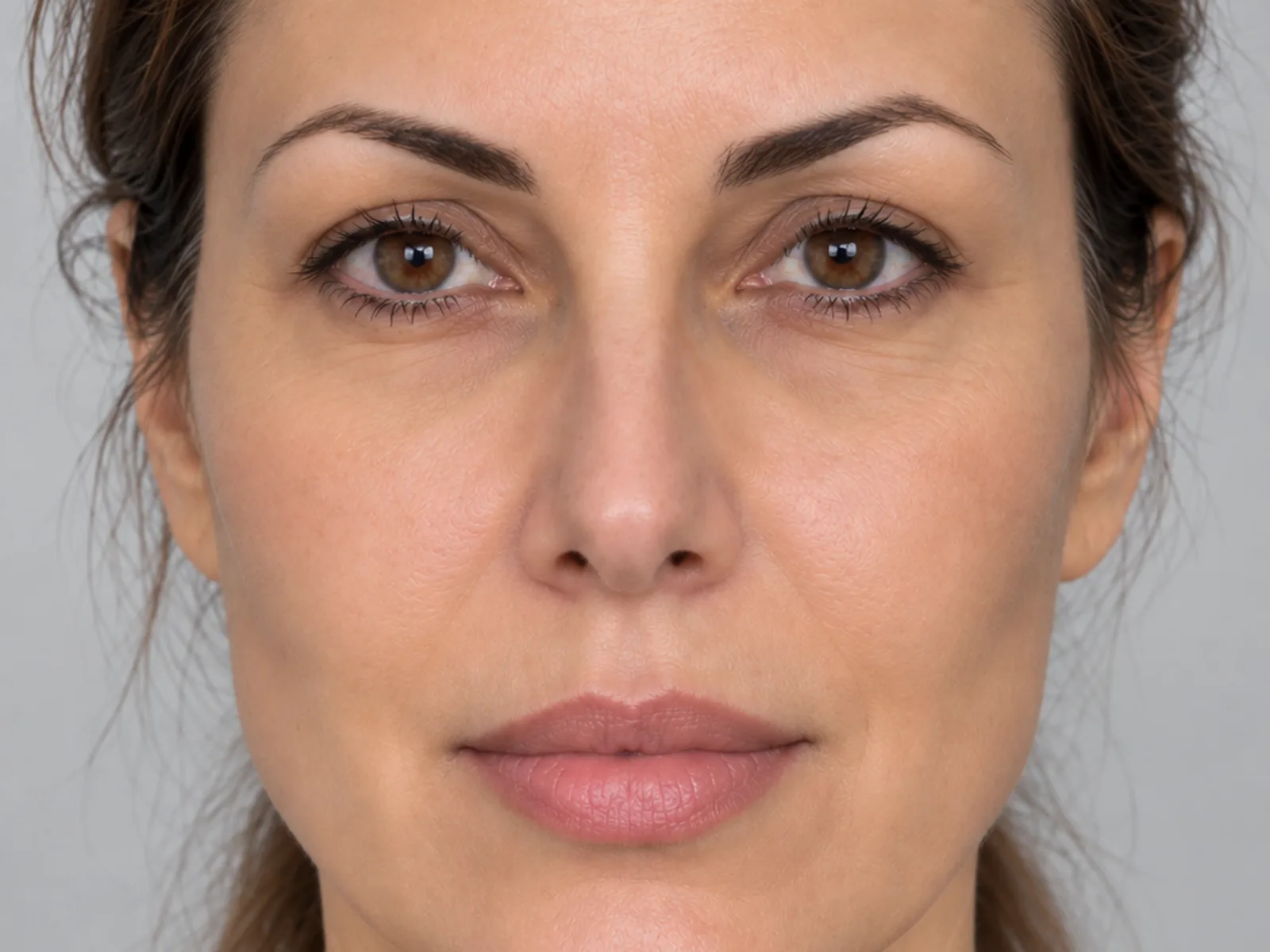
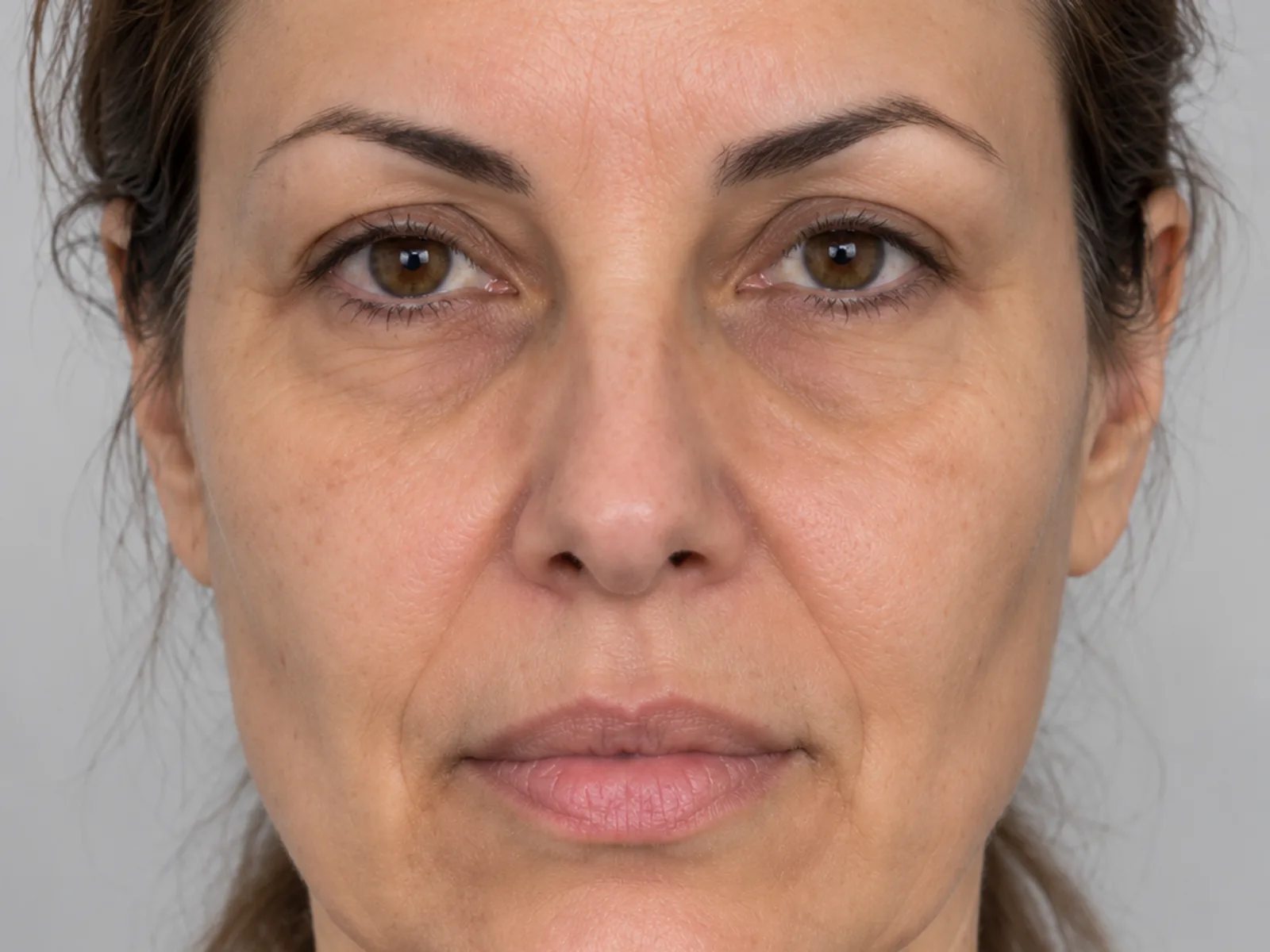
Facelift photographs should use the same head position, lighting, and no make-up or hair covering the ears and jawline. Look at scars in front of and behind the ear, the sideburn, earlobe shape and the neck in profile. Results at one year or more say more than early photographs.
 BeforeAfter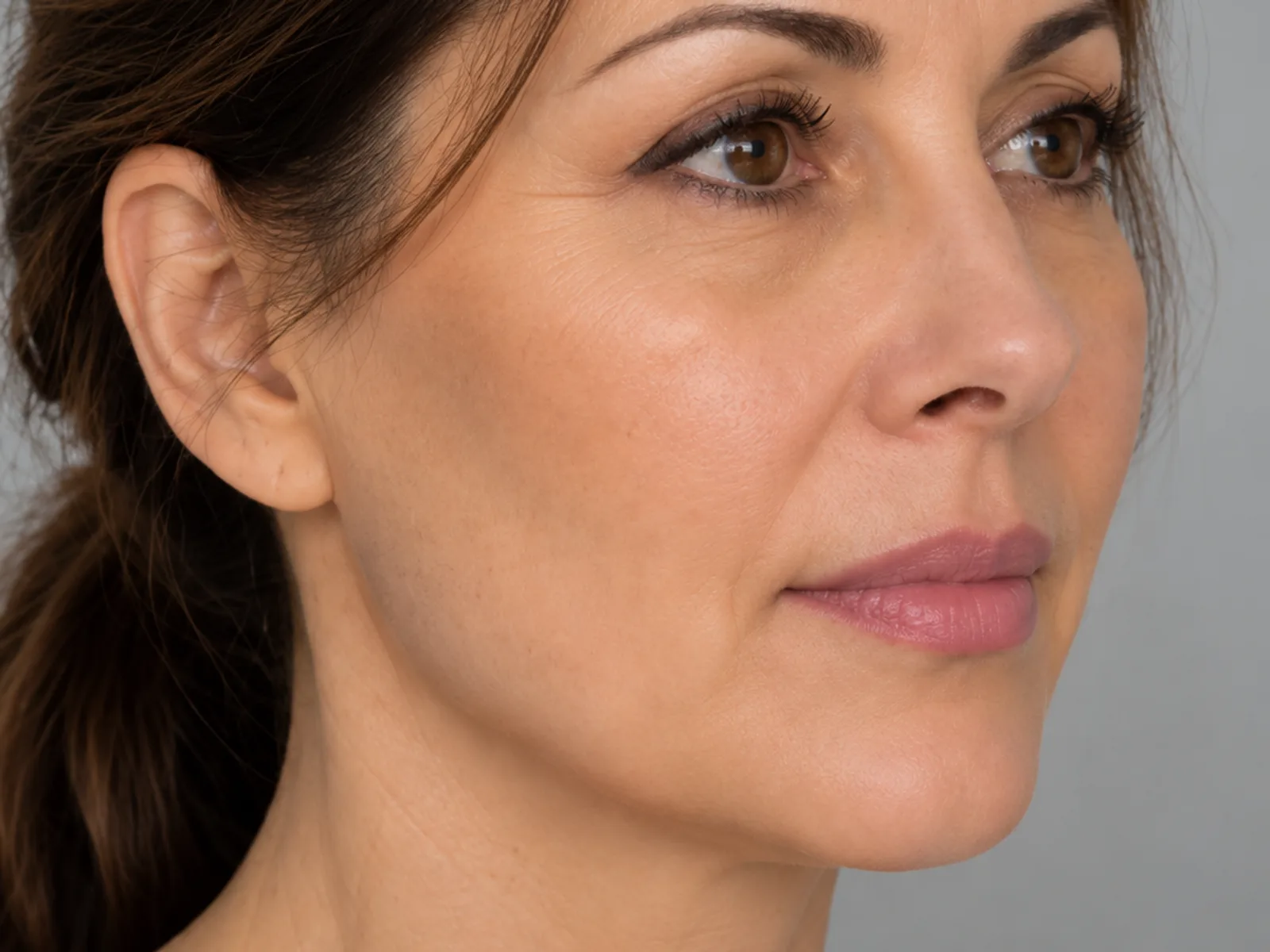
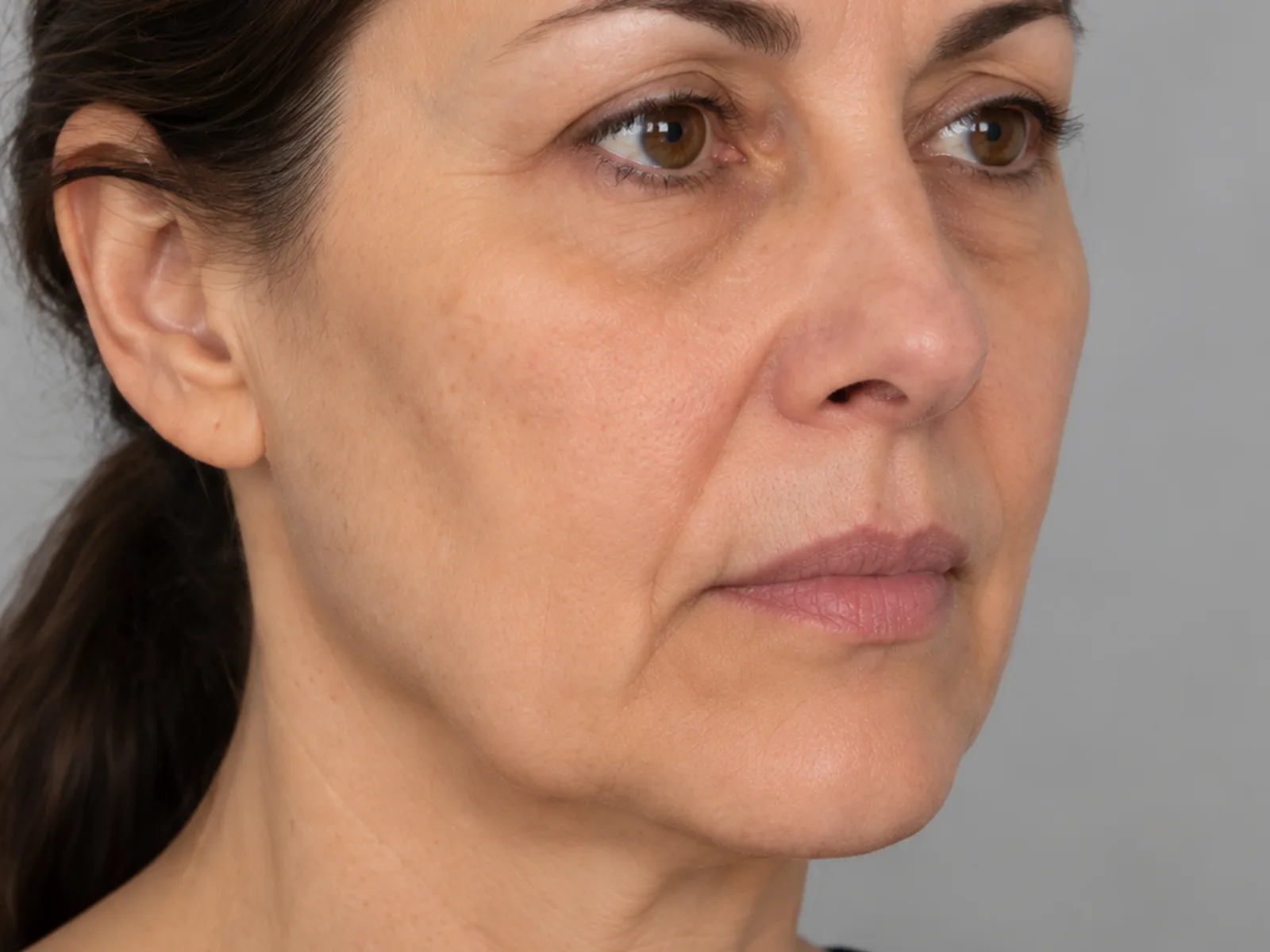 BeforeAfter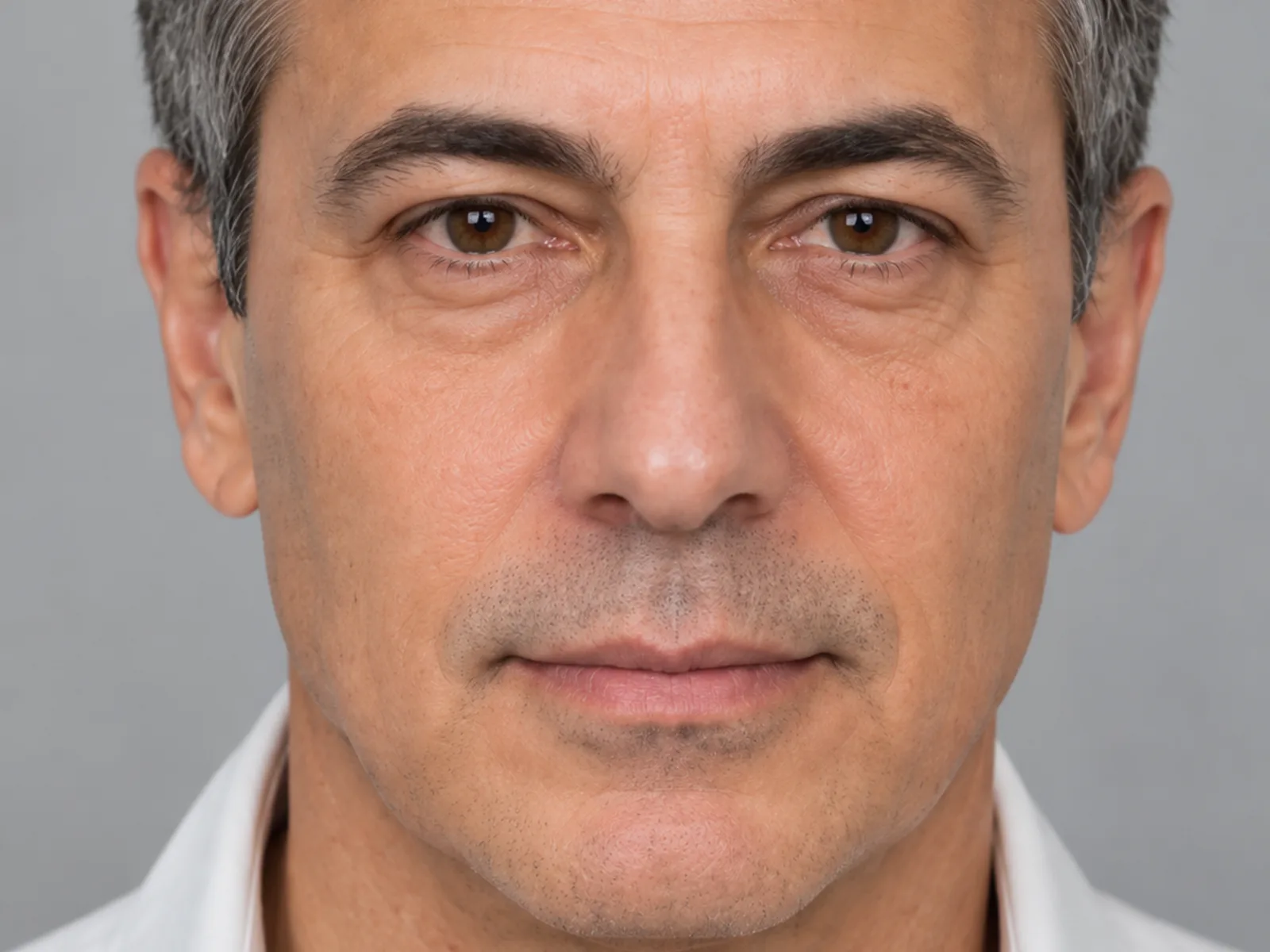
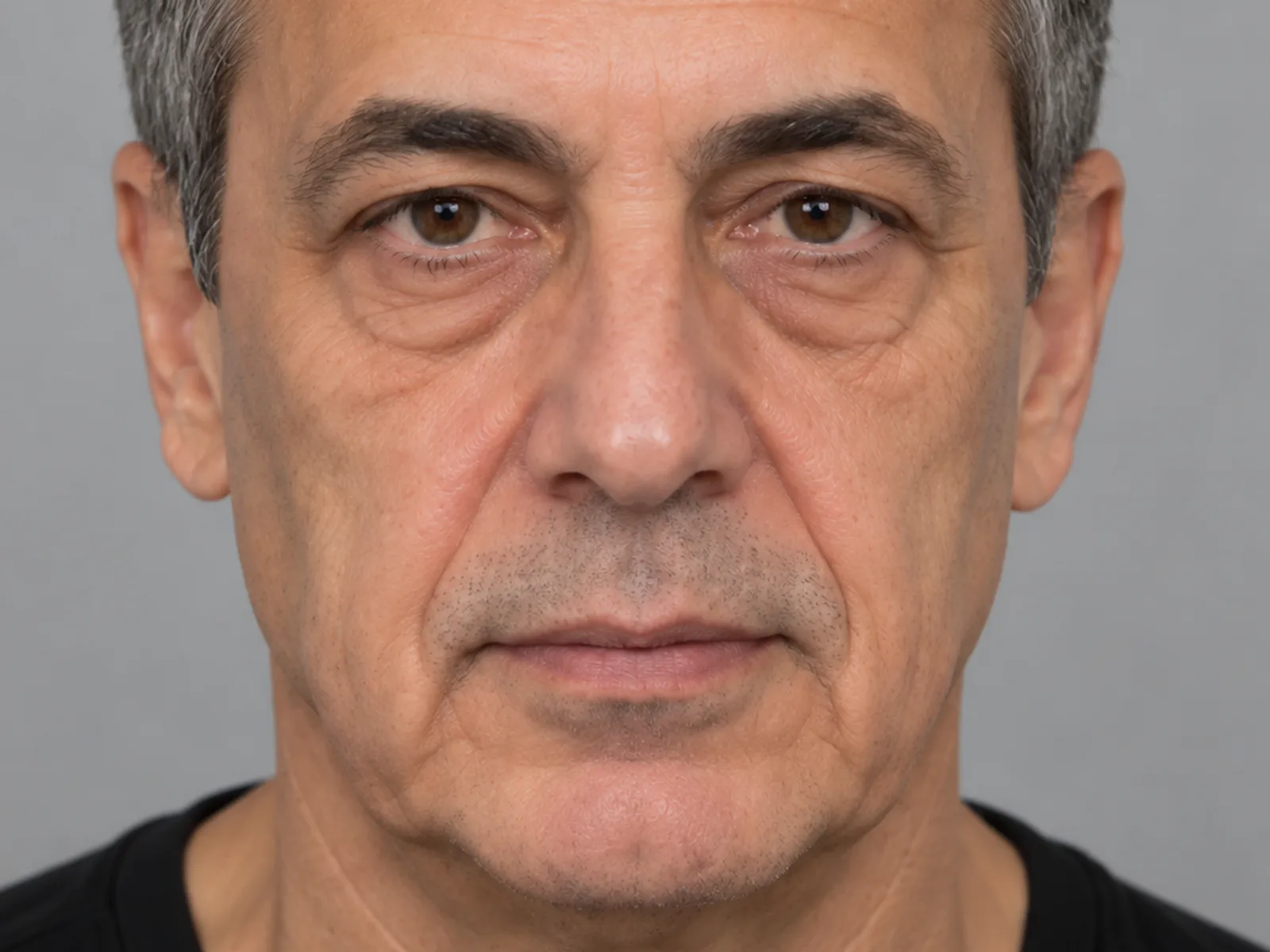 BeforeAfter
11
Recovery After a Facelift
| Period | What is typical | What to plan |
|---|---|---|
| First night | Head dressing, possibly drains; monitoring for bleeding | Stay in hospital or close supervision |
| First week | Swelling and bruising peak then settle; tightness and numbness | Rest with the head raised; avoid bending and straining |
| Around 10–14 days | Sutures removed in stages; many feel ready to be seen socially | Plan travel and return to work around this point |
| Months one to six | Residual swelling and numbness settle | Sun protection for scars; remote follow-up |
| Up to a year | Scars mature and the final contour settles | Final assessment |
12
Risks and Safety Considerations
In a multicentre database study of 11,300 facelift patients, major complications — those needing an emergency visit, hospital admission or reoperation within 30 days — occurred in about 1.8%. Haematoma was the most common at about 1.1%, followed by infection at 0.3%. Men had a markedly higher haematoma risk. Facelifts combined with other procedures had complication rates of up to 3.7%, compared with 1.5% for facelift alone, and a body mass index of 25 or more increased infection risk.
A 2025 systematic review found facial nerve injury reported in 0.5% to 5% of facelifts. About 70% of affected patients recovered fully within six months with conservative treatment, while around 10% had persistent weakness. Other risks include numbness of the cheeks and ears, skin healing problems (especially in smokers), visible or widened scars, hair loss near incisions, a shifted hairline, earlobe distortion and asymmetry.
13
How Long to Stay in Turkey After a Facelift
Patients commonly plan around 10–14 days in Turkey after a facelift, allowing staged suture removal and review of healing before a long flight. The first days carry the highest haematoma risk, so stay close to your surgeon, keep blood pressure controlled and avoid heavy luggage. Your surgeon decides when travel is appropriate.
14
What to Send for a Preliminary Assessment
- age, medical conditions, blood pressure, medication and supplements, smoking status
- previous facial surgery, thread lifts, fillers or energy treatments
- your main concerns — jowls, neck, cheeks — and anything you want to keep
- photographs from the front, both sides and both three-quarter views, hair tied back, no make-up, neutral expression, in daylight
A remote review can suggest an approach; the technique is confirmed only after examination.
15
Facelift in Istanbul and Other Cities
Facelift surgery is offered mainly in Istanbul, with further surgeons in Ankara, İzmir and Antalya.
16
Request Facelift Options
Send your concerns, health background and photographs to receive facelift options you can compare. A request is not a booking, and the technique is decided only after examination by the surgeon who will operate.
17
Frequently asked questions
What does a facelift correct?+
A facelift mainly corrects sagging in the lower face and jawline, including jowls, deepening folds between the nose and mouth, and loose skin that continues into the neck. It works by lifting and repositioning deeper tissues and then redraping the skin, rather than simply pulling skin tight. A facelift does not change skin texture, fine wrinkles, sun damage, heavy brows or eyelid hooding, and it does not replace lost facial volume. Those concerns may need other treatments, such as eyelid surgery, fat transfer or skin resurfacing, sometimes performed alongside it.
Who is a good candidate for a facelift?+
Good candidates usually have visible jowls, loose skin along the jawline or neck, and good general health, with realistic expectations about looking refreshed rather than different. Stopping smoking and nicotine products before and after surgery is especially important, because nicotine significantly increases the risk of skin healing problems. Blood pressure should be well controlled, as high blood pressure raises the risk of bleeding under the skin. Surgeons also review medications and supplements that affect bleeding. You can compare surgeons who list facelift and request an assessment.
What is the difference between a SMAS, deep-plane and mini facelift?+
These terms describe how deeply the surgeon works and how much of the face is treated. A SMAS facelift tightens the layer of muscle and connective tissue beneath the skin, called the SMAS, by folding, stitching or trimming it. A deep-plane facelift releases that layer and its ligaments so the deeper tissue and skin move together. A mini facelift uses shorter incisions and suits milder lower-face laxity. No technique is best for everyone, and names are used differently between surgeons, so ask exactly what will be done. Read more about the deep-plane facelift.
Where are facelift scars placed?+
Facelift incisions are usually placed in natural creases and along the hairline so the scars are as inconspicuous as possible. A typical incision starts in or at the edge of the temple hair, runs down just in front of or inside the ear, curves around the earlobe, and continues behind the ear into or along the hairline at the back. A neck lift may add a small incision under the chin. Well-placed scars often fade to fine lines, but they are permanent. Poor planning can shift the hairline or distort the earlobe, so ask how your surgeon protects these features.
Is a facelift often combined with other procedures?+
A facelift is often combined with a neck lift, because the lower face and neck age together. Other procedures sometimes performed at the same time include upper or lower eyelid surgery, a brow lift, fat transfer to restore volume, and skin resurfacing. Combining procedures can create a more balanced result and one recovery period, but it also lengthens anaesthesia and may increase swelling and risk. The right combination depends on your anatomy, health and priorities. A surgeon should explain which concerns each procedure addresses, rather than recommending a standard package.
What is recovery like after a facelift?+
Most patients stay one to two nights after a facelift, and swelling and bruising are typically most noticeable in the first two weeks. A head dressing and small drains may be used at first, and stitches are removed in stages over roughly one to two weeks. Many people feel comfortable being seen socially after about two to three weeks, although some swelling, tightness and numbness around the ears and cheeks can last longer. Surgeons usually advise keeping the head elevated, avoiding strenuous exercise and protecting scars from sun. Final results usually settle over several months.
What are the risks of a facelift?+
The most common significant early complication is a haematoma, a collection of blood under the skin that may need urgent drainage; high blood pressure increases this risk. Other risks include injury to facial nerve branches, which usually causes temporary weakness but can rarely be permanent, and numbness of the cheeks and ears. Skin healing problems are more likely in smokers. Scarring, hair loss near incisions, a shifted hairline, earlobe distortion, asymmetry and an overly tight appearance can also occur. Your surgeon should explain how they monitor for bleeding and nerve problems after surgery.
How long do facelift results last?+
A facelift does not stop ageing, but patients often continue to look younger than they would have without surgery for many years. How long the improvement lasts varies with the technique, skin quality, bone structure, genetics, sun exposure, smoking and weight changes. The face continues to lose volume and elasticity over time, so some laxity gradually returns. Some patients later choose smaller procedures or a secondary facelift. Be cautious about promises of a fixed number of years; ask instead how your surgeon's own patients look several years after surgery.
How long should I stay in Turkey after a facelift?+
Facelift patients are commonly advised to plan around 10–14 days in Turkey before flying home. The early days carry the highest risk of haematoma, so staying close to your surgeon matters, and this period usually allows drain removal, stitch removal and checks of healing and nerve function. Keep your blood pressure controlled, avoid heavy lifting and bending, and follow instructions on medications that affect bleeding. Before leaving, get your operation notes and a named contact for concerns such as one-sided swelling or increasing pain. Read about flying safely after surgery.
What affects the cost of a facelift in Turkey?+
Facelift cost in Turkey depends mainly on the technique, the extent of the operation, and whether a neck lift, eyelid surgery, brow lift or fat transfer are added. The surgeon's fee, hospital, anaesthesia, operating time and hospital nights form most of the price. Check whether pre-operative tests, dressings, garments, medication, stitch removal, follow-up visits, accommodation and transfers are included. A quote that names the technique should explain what it means in practice. See recorded price ranges and inclusions on our facelift cost page.
18
Medical references
- [1]Certified health service providers (international health tourism) — HealthTürkiye — Ministry of Health / USHAŞ
- [2]Facelift — American Society of Plastic Surgeons
- [3]Preoperative Risk Factors and Complication Rates in Facelift: Analysis of 11,300 Patients — Gupta V et al., Aesthetic Surgery Journal, 2016
- [4]Management and outcomes of facial nerve injury following rhytidectomy: a systematic review — Arianpour N et al., Maxillofacial Plastic and Reconstructive Surgery, 2025
- [5]Cosmetic surgery abroad — NHS
Medical disclaimer
This content is educational and does not constitute medical advice or a diagnosis. It is not a substitute for an individual assessment by an appropriately qualified healthcare professional. Risks, suitability, and outcomes vary by patient. Prices are estimates unless confirmed by a provider's written quotation. Inclusion of any doctor or facility on this site is not a guarantee of outcome. Read the full medical disclaimer.
Why Türkiye
What Türkiye offers, and how to check it
A national authorisation scheme, specialist surgeons and prices set beside those of the countries patients travel from — each with a source you can check.
A national authorisation scheme
Hospitals and clinics treating international patients must hold a Ministry of Health health-tourism authorisation and, under the 2025 regulation, must also carry complication insurance for operating-room procedures.
How providers are checked1,935 plastic surgery specialists
Plastic, reconstructive and aesthetic surgery is its own specialty in Türkiye, and every profile states the surgeon's title, what we checked and, where we hold it, where they practise.
Meet the surgeonsPrices you can compare in the open
Türkiye set against the NHS and American Society of Plastic Surgeons figures for the same operation — nothing converted between currencies, every figure dated.
Compare the figures845 hospitals and clinics, 70 cities
1,949 surgeons and 40 procedures listed, from Istanbul and Ankara to İzmir and Antalya — and a patient team to help you shortlist.
See the hospitals