Plastic & Cosmetic Surgery in Turkey
Arm Lift (Brachioplasty) in Turkey
Compare surgeons, costs, treatment options, recovery information and patient results.
An arm lift removes excess skin and fat from the upper arm to improve contour, most often after significant weight loss. It can improve shape, but it leaves a scar along the inner arm that is usually visible.

- Duration
- Typically 2–3 hours
- Anaesthesia
- General anaesthesia
- Hospital stay
- Day case or one night
- Recommended Turkey stay
- Typically around 10–14 days before flying
- Initial recovery
- About 2 weeks before returning to desk work
- Final result
- Contour settles over months; scars mature over 12–18 months
01
What is Arm Lift (Brachioplasty)?
Loose upper-arm skin commonly follows major weight loss or age-related loss of elasticity, and it does not respond to exercise because the issue is skin rather than muscle. Brachioplasty removes a strip of skin and fat, usually along the inner arm from the armpit towards the elbow, and tightens what remains. Where the excess is limited and confined near the armpit, a shorter incision may be enough. The scar is the central trade-off. It is long, sits in a position that can be visible in short sleeves, and its quality varies. It deserves a frank conversation with your surgeon before you commit.
02
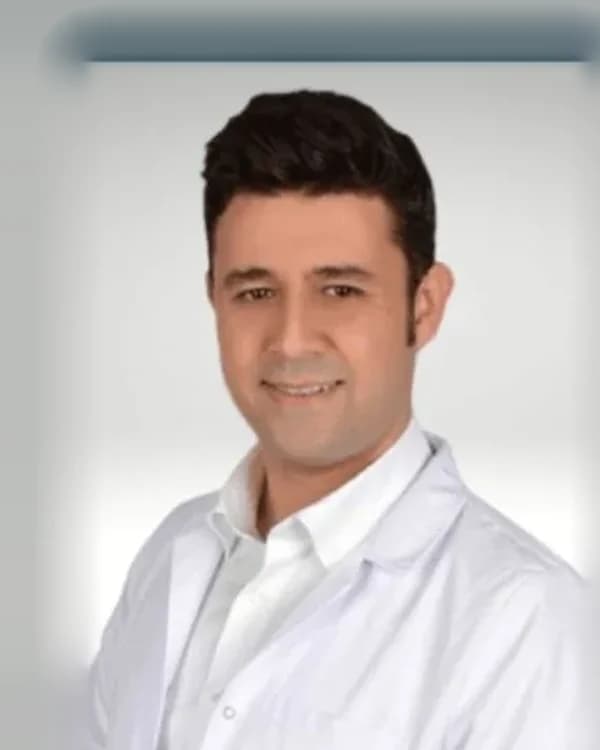
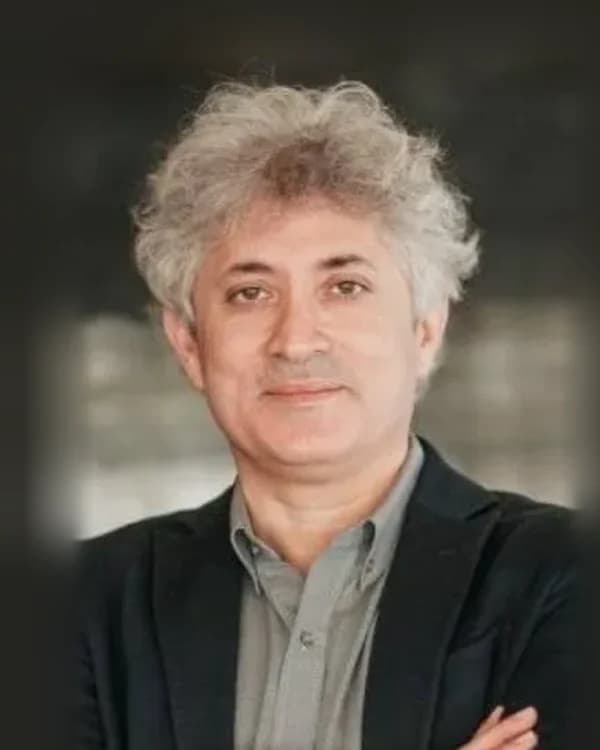
Surgeons offering Arm Lift (Brachioplasty)


03
Arm Lift (Brachioplasty) — before and after
Published cases for this procedure. Where recorded, each names the surgeon and facility behind it and states how long after surgery the second photograph was taken. Individual outcomes vary — no case is a prediction of your own result.

 BeforeAfter
 BeforeAfter
 BeforeAfter
04
Cost in Turkey
What affects price
Price varies with the extent of excision, whether liposuction is combined, operating time, and surgeon experience.
05
Types & techniques
These are variants of the same operation, not a ranking. Which one suits you is a surgical judgement made after examination — the differences below are what that conversation is about.
Standard brachioplasty
An incision from the armpit towards the elbow along the inner arm, removing a strip of skin and fat.
Mini brachioplasty
A shorter incision confined near the armpit, suitable only where excess skin is limited and mostly close to the armpit.
Extended brachioplasty
The incision continues onto the chest wall where laxity extends beyond the arm, common after very large weight loss.
Liposuction-assisted brachioplasty
Liposuction reduces fat volume before skin excision, which can improve contour.
06
Who may be suitable
May be suitable
- People with loose upper-arm skin, commonly after significant weight loss
- Those at a stable weight for a sustained period
- People who accept a permanent, potentially visible scar in exchange for improved contour
- Non-smokers, or those willing to stop before and after surgery
May not be suitable
- People still actively losing weight
- Those unwilling to accept the scar
- People with lymphoedema of the arm or previous lymph node surgery without specialist assessment
- Those with uncontrolled medical conditions
Medical assessment required: Suitability can only be confirmed by a qualified surgeon who has examined you in person and reviewed your medical history.
07
Recovery timeline
- Stages
- 4
- Begins
- First week
- Final stage
- 12–18 months
First week
Stage 1 of 4Swelling, bruising and tightness. Arms are usually kept elevated where possible; compression sleeves are common.
Weeks 2–4
Stage 2 of 4Desk work often resumed. Lifting and overhead activity are typically restricted.
Weeks 4–8
Stage 3 of 4Gradual return to exercise as advised.
12–18 months
Stage 4 of 4Scars mature and fade, though they remain permanent.
Typical stages, not a schedule you are held to. Healing varies with anatomy, technique and general health, and your surgeon's own aftercare instructions override anything here.
Limitations
What it cannot do, and where expectations often run ahead.
An arm lift removes excess skin and fat. It does not build muscle tone and does not substitute for weight loss.
Scarring
Where marks are left, and how they typically settle.
The scar runs along the inner arm and is permanent. It is often visible in short sleeves, and scar quality varies considerably between individuals.
08
Risks & complications
| Risk | What it means |
|---|---|
| Bleeding and haematoma | A collection of blood under the skin, occasionally needing a further procedure to drain it. |
| Infection | Usually treated with antibiotics; rarely requires surgical washout. |
| Anaesthetic complications | Risks specific to the anaesthetic used, which the anaesthetist should discuss with you separately. |
| Unsatisfactory aesthetic result | Asymmetry, over- or under-correction, or a result that does not match expectations. May require revision surgery. |
| Visible, widened or thickened scarring | The inner-arm scar is long and under tension, which makes widening and hypertrophic scarring relatively common here. |
| Wound healing problems | Particularly where the incision reaches the armpit, an area prone to delayed healing. |
| Seroma | Fluid collection under the skin, sometimes needing drainage. |
| Nerve injury | Sensory nerves in the inner arm can be affected, causing numbness that may persist. |
| Lymphoedema | Swelling from disruption of lymphatic drainage, uncommon but potentially persistent. |
| Contour irregularity or dog-ears | Puckering at the ends of the incision, sometimes requiring revision. |
What applies to every procedure: symptoms that need help now, flying after surgery and insurance.
09
Hospitals & clinics offering Arm Lift (Brachioplasty)
10
Alternatives
Where skin quality is good and the concern is fat alone, liposuction may improve contour without the long scar. Non-surgical tightening produces far more limited change.
11
Frequently asked questions
What is an arm lift?+
An arm lift, or brachioplasty, removes loose skin and excess fat from the upper arms, usually between the armpit and elbow. The surgeon tightens the remaining skin to create a slimmer, firmer contour. Liposuction may be used alongside skin removal to reduce fat. The procedure is commonly considered after significant weight loss or when ageing has caused hanging skin under the arms. It does not build muscle or change arm strength, and the improvement in shape comes with a scar that is usually visible in some positions.
Who is a good candidate for an arm lift?+
Good candidates usually have loose, hanging upper-arm skin, are at a stable weight and are in good general health. Many have lost a large amount of weight, while others have skin laxity related to ageing. Patients should accept that an arm lift trades loose skin for a scar. Smoking, poor nutrition and some medical conditions can affect healing. If the arm has mainly excess fat with good skin elasticity, liposuction may be enough. You can compare surgeons who list arm lift and request an examination.
Do I need liposuction or an arm lift?+
The choice depends mainly on whether the problem is fat, loose skin or both. Liposuction may suit people with excess upper-arm fat and firm, elastic skin that can contract after fat removal. An arm lift is usually needed when skin hangs or folds, especially after major weight loss, because liposuction alone can leave skin looser. Many patients benefit from a combination of liposuction and skin removal. A surgeon will assess skin quality, the amount of fat and how far the laxity extends before recommending an approach.
Where is the arm lift scar and how visible is it?+
The arm lift scar usually runs along the inner or back-inner surface of the upper arm, often from the armpit toward the elbow. It may be visible when the arms are raised or when wearing sleeveless clothing. Patients with loose skin limited to the upper part of the arm near the armpit may be suitable for a shorter scar. Scars are permanent and often look red or raised at first before gradually improving over 12–18 months. Discuss scar position with your surgeon and ask to see healed results.
What are the risks of an arm lift?+
Arm lift risks include wide, raised or visible scars, delayed wound healing, wound separation near the armpit, seroma, infection, bleeding and asymmetry. Numbness can occur, and injury to a sensory nerve along the inner arm may cause numbness or discomfort in the forearm. Some patients experience swelling related to lymphatic drainage. Removing too much skin can cause tightness or difficulty closing the wound, while removing too little may leave laxity. Smoking and poor nutrition increase complications. Ask how the surgeon plans the amount of skin removed.
What is recovery like after an arm lift?+
Arm lift recovery usually involves a day-case procedure or one night in hospital, with compression garments or sleeves worn for several weeks. Many patients return to desk work within about two weeks. Swelling, bruising, tightness and discomfort when raising the arms are common. Surgeons generally advise avoiding heavy lifting, strenuous exercise and extreme arm movements early on, while walking regularly to reduce clot risk. The contour improves gradually over months, and scars continue maturing for around a year or longer.
How long do arm lift results last?+
Arm lift results are generally long-lasting because excess skin is removed. However, ageing, gravity and weight changes can still cause some loosening over time. Significant weight gain can enlarge fat in the arms, while further weight loss may create new laxity. Maintaining a stable weight and following scar care advice helps protect the result. An arm lift does not change underlying muscle strength, so strength training can remain part of long-term fitness once your surgeon confirms it is safe.
Can an arm lift be combined with other surgery after weight loss?+
An arm lift can sometimes be combined with other procedures after weight loss, such as a breast lift, upper body lift or liposuction of nearby areas. Combining operations can mean fewer anaesthetics, but it increases surgical time, discomfort and recovery demands. Some combinations can make early movement particularly difficult, especially when both arms and upper body are treated. Surgeons may therefore stage procedures based on safety and your priorities. Ask for a clear plan explaining which procedures can be combined and why.
How long should I stay in Turkey after an arm lift?+
Patients are commonly advised to plan around 10–14 days in Turkey after an arm lift. This allows early wound checks, assessment for seroma and a review of healing near the armpit, where wound separation can occur. Avoid carrying heavy luggage and arrange help at airports. Wear compression garments as instructed, walk during the flight and keep wounds clean and dry. Before leaving, ask for operation notes, scar care guidance and warning signs such as increasing swelling, discharge or fever. See our guide to post-operative complications.
What affects the cost of an arm lift in Turkey?+
The cost of an arm lift in Turkey depends on how much skin is removed, whether liposuction is added, the length of the incision, operating time, anaesthesia, facility and surgeon's fee. Compression sleeves, dressings, medication, follow-up visits, hospital stay and accommodation may be charged separately. Combining an arm lift with breast or body contouring procedures will increase the total and recovery time. Ask for a detailed written quote and how scar revision would be charged if needed. Request an arm lift consultation for an individual price.
Medical disclaimer
This content is educational and does not constitute medical advice or a diagnosis. It is not a substitute for an individual assessment by an appropriately qualified healthcare professional. Risks, suitability, and outcomes vary by patient. Prices are estimates unless confirmed by a provider's written quotation. Inclusion of any doctor or facility on this site is not a guarantee of outcome. Read the full medical disclaimer.
Why Türkiye
What Türkiye offers, and how to check it
A national authorisation scheme, specialist surgeons and prices set beside those of the countries patients travel from — each with a source you can check.
A national authorisation scheme
Hospitals and clinics treating international patients must hold a Ministry of Health health-tourism authorisation and, under the 2025 regulation, must also carry complication insurance for operating-room procedures.
How providers are checked1,935 plastic surgery specialists
Plastic, reconstructive and aesthetic surgery is its own specialty in Türkiye, and every profile states the surgeon's title, what we checked and, where we hold it, where they practise.
Meet the surgeonsPrices you can compare in the open
Türkiye set against the NHS and American Society of Plastic Surgeons figures for the same operation — nothing converted between currencies, every figure dated.
Compare the figures845 hospitals and clinics, 70 cities
1,949 surgeons and 40 procedures listed, from Istanbul and Ankara to İzmir and Antalya — and a patient team to help you shortlist.
See the hospitals