Plastic & Cosmetic Surgery in Turkey
Facial Fat Transfer in Turkey
Compare surgeons, costs, treatment options, recovery information and patient results.
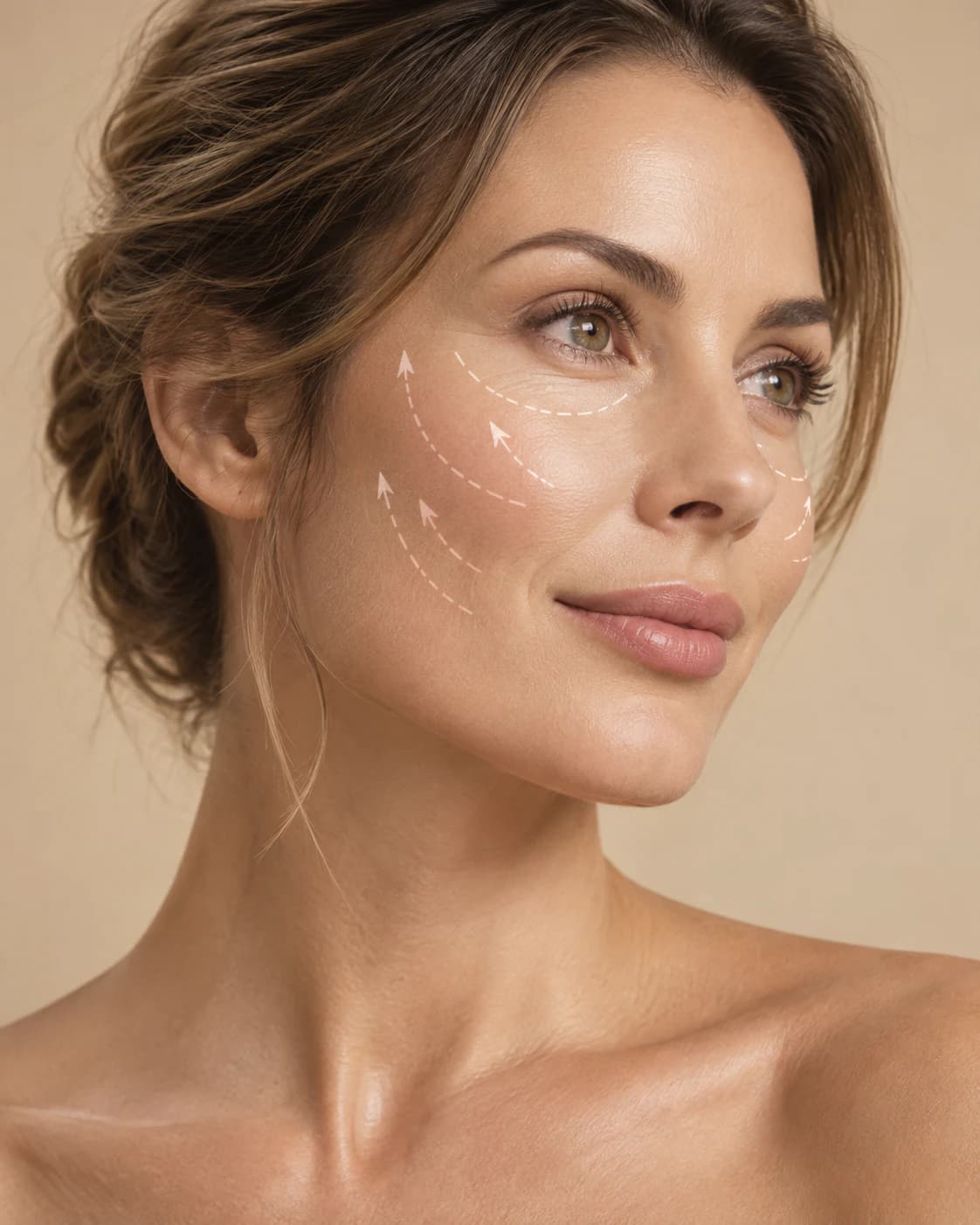
Facial fat transfer takes fat from elsewhere on your body, processes it, and injects it into areas of the face that have lost volume. A proportion of the transferred fat does not survive, so results depend partly on how much takes.
- Duration
- Typically 1–3 hours depending on the number of areas
- Anaesthesia
- Local with sedation, or general anaesthesia
- Hospital stay
- Usually a day case
- Recommended Turkey stay
- Typically around 7–10 days before flying
- Initial recovery
- About 2 weeks for the most visible swelling and bruising
- Final result
- Final volume settles over roughly 3–6 months once reabsorption completes
01
What is Facial Fat Transfer?
Faces lose volume with age, particularly in the temples, cheeks and around the eyes. Fat transfer, also called lipofilling or fat grafting, uses your own tissue to restore some of that volume. Fat is harvested by gentle liposuction — often from the abdomen or thighs — then processed and injected in small amounts through fine cannulas. The key thing to understand is graft survival. Not all transferred fat establishes a blood supply, and a meaningful proportion is reabsorbed over the first months. Surgeons account for this in planning, and more than one session is sometimes needed. The fat that does survive generally behaves like the tissue it came from, meaning significant weight change can affect it.
02
Surgeons offering Facial Fat Transfer
03
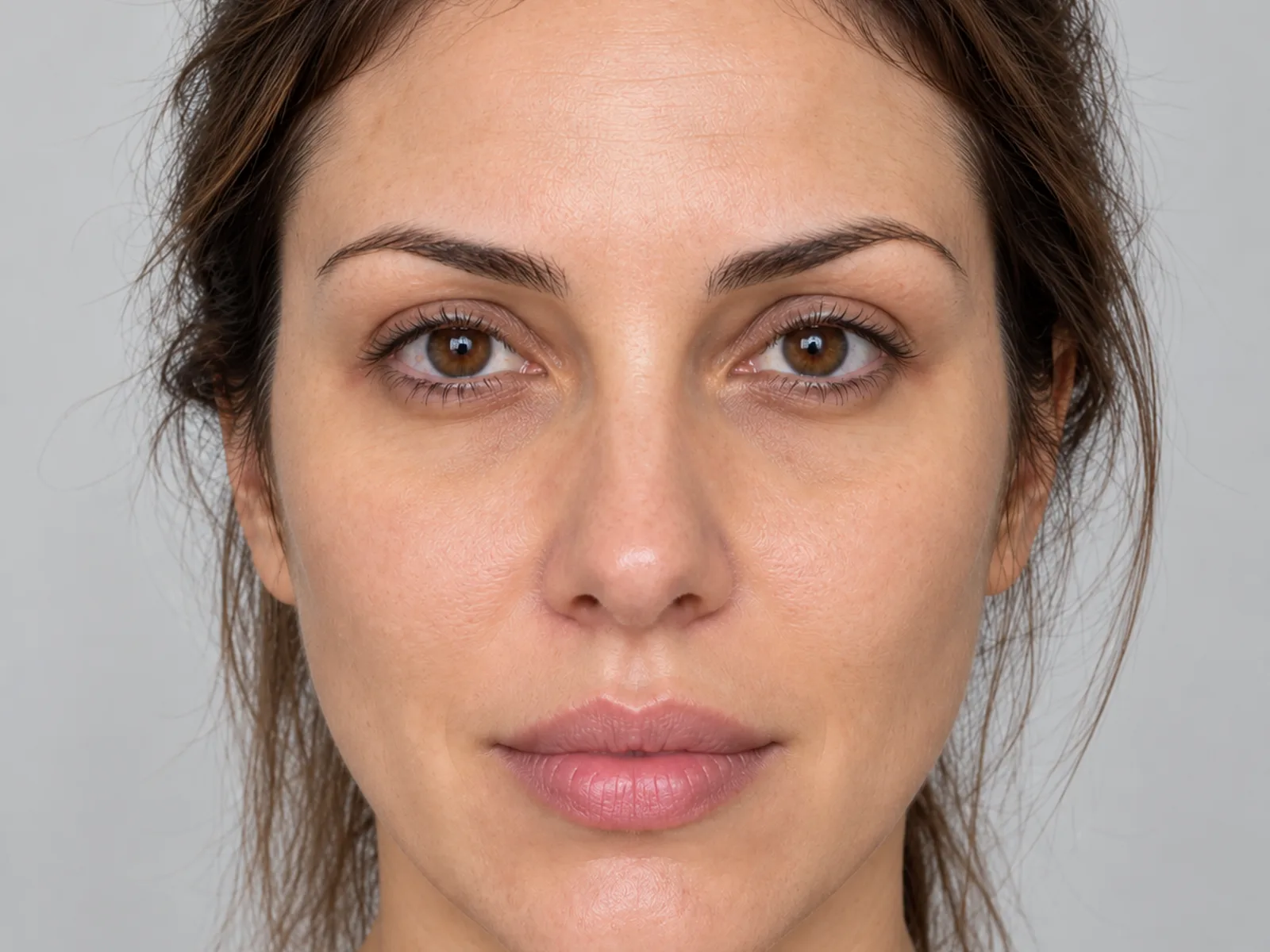
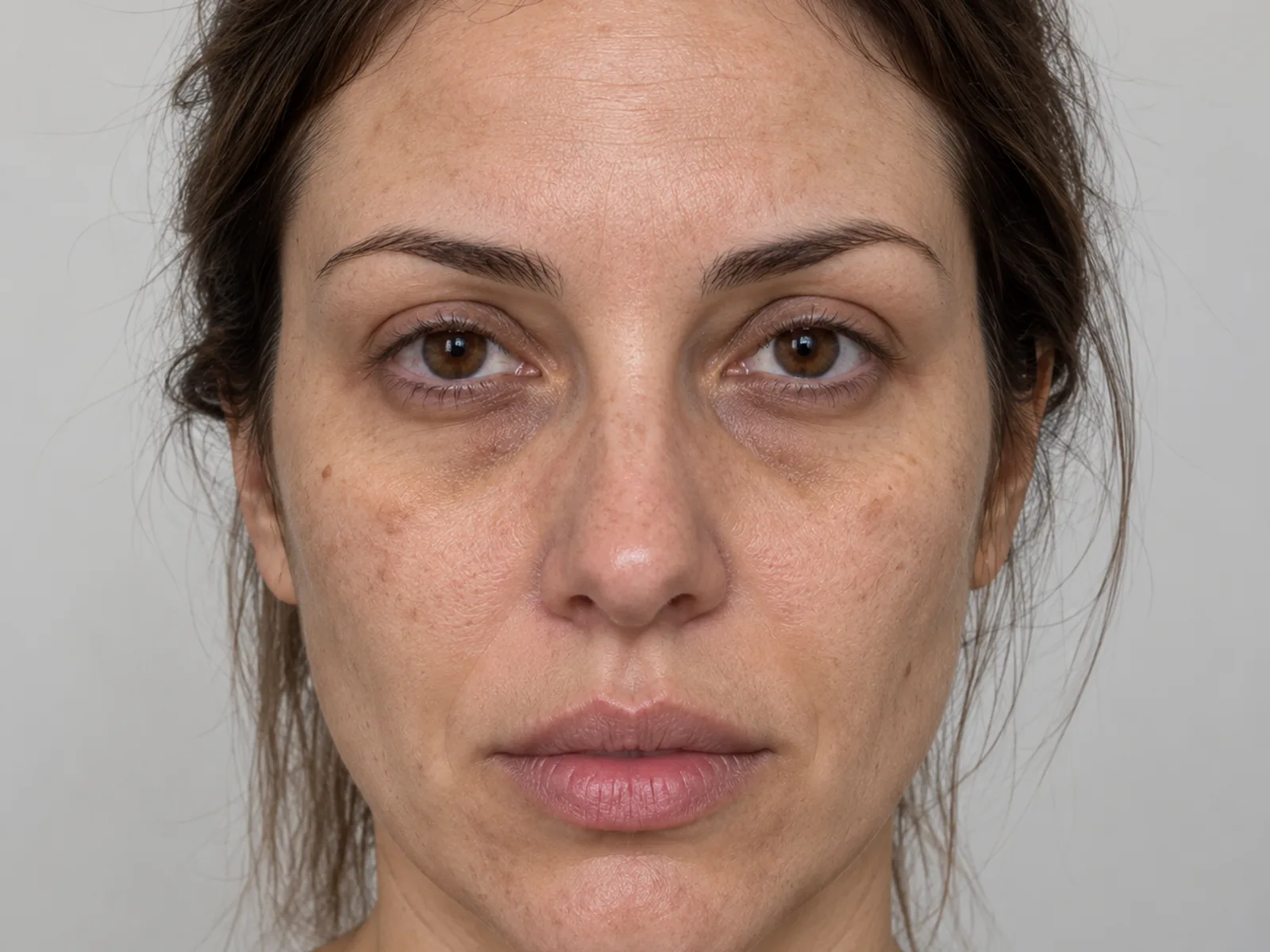
Facial Fat Transfer — before and after
Published cases for this procedure. Where recorded, each names the surgeon and facility behind it and states how long after surgery the second photograph was taken. Individual outcomes vary — no case is a prediction of your own result.
 BeforeAfter
04
Cost in Turkey
What affects price
Price varies with the number of areas treated, the volume harvested, anaesthesia, and whether it is combined with other surgery.
05
Types & techniques
These are variants of the same operation, not a ranking. Which one suits you is a surgical judgement made after examination — the differences below are what that conversation is about.
Structural fat grafting
Fat placed in small aliquots across several tissue layers to maximise contact with blood supply.
Micro- and nano-fat grafting
Finely processed fat used for delicate areas or for skin quality, rather than for volume.
Combined with a facelift
Fat grafting is often used alongside lifting surgery, since lifting repositions tissue but does not replace lost volume.
06
Who may be suitable
May be suitable
- People with facial volume loss in the temples, cheeks or elsewhere
- Those with enough donor fat available to harvest
- People with a stable weight
- Those who prefer using their own tissue rather than a synthetic filler
May not be suitable
- People with very little body fat to harvest
- Those with unstable weight, since grafted fat responds to weight change
- People with uncontrolled medical conditions
- Anyone expecting a precisely predictable volume result
Medical assessment required: Suitability can only be confirmed by a qualified surgeon who has examined you in person and reviewed your medical history.
07
Recovery timeline
- Stages
- 4
- Begins
- First week
- Final stage
- 3–6 months
First week
Stage 1 of 4Swelling and bruising at both the donor and recipient sites. The face typically looks over-filled at this stage.
Weeks 2–4
Stage 2 of 4Most bruising resolves; swelling reduces substantially and the result begins to look natural.
Months 1–3
Stage 3 of 4Reabsorption of non-surviving fat occurs, and volume decreases from the immediate post-operative appearance.
3–6 months
Stage 4 of 4Remaining graft is considered stable and the final result is apparent.
Typical stages, not a schedule you are held to. Healing varies with anatomy, technique and general health, and your surgeon's own aftercare instructions override anything here.
Limitations
What it cannot do, and where expectations often run ahead.
Fat transfer restores volume. It does not lift sagging tissue or tighten skin, and the amount that survives varies between people.
Scarring
Where marks are left, and how they typically settle.
Injection sites are tiny and generally heal without a noticeable scar. Donor liposuction sites leave small marks.
08
Risks & complications
| Risk | What it means |
|---|---|
| Bleeding and haematoma | A collection of blood under the skin, occasionally needing a further procedure to drain it. |
| Infection | Usually treated with antibiotics; rarely requires a further procedure to drain or clean the wound. |
| Anaesthetic complications | Risks specific to the anaesthetic used, which the anaesthetist should discuss with you separately. |
| Unsatisfactory aesthetic result | Asymmetry, over- or under-correction, or a result that does not match expectations. May require revision surgery. |
| Unpredictable graft survival | A variable proportion of fat is reabsorbed, so the final volume is not fully predictable and a second session may be wanted. |
| Lumpiness or irregularity | Uneven distribution or nodules, particularly in thin-skinned areas. |
| Fat necrosis or oil cysts | Areas of graft that do not survive can form firm lumps or cysts. |
| Donor site irregularity | Contour changes or bruising where the fat was harvested. |
| Vascular occlusion | Rare but serious. Injected fat entering a blood vessel can cause skin loss or, very rarely, visual complications. |
What applies to every procedure: symptoms that need help now, flying after surgery and insurance.
09
Hospitals & clinics offering Facial Fat Transfer
10
Alternatives
Hyaluronic acid dermal fillers provide immediate, more predictable volume without a donor site, but are temporary and are a synthetic product.
11
Frequently asked questions
What is facial fat transfer?+
Facial fat transfer, also called facial fat grafting, uses your own fat to restore volume in the face. The surgeon removes a small amount of fat by liposuction, commonly from the abdomen, flanks or thighs, processes it, and injects it through fine cannulas into areas such as the cheeks, temples, under-eye hollows, jawline, lips or folds around the mouth. It is often used to treat age-related volume loss, hollowness or some asymmetries. Some surgeons also use very finely processed fat to try to improve skin quality, although results vary.
Is facial fat transfer better than dermal fillers?+
Neither option is better for everyone. Dermal fillers are injected without harvesting fat, can be adjusted over time and, in the case of hyaluronic acid fillers, can often be dissolved, but results are temporary. Facial fat transfer can provide longer-lasting volume if the fat survives and uses your own tissue, but it requires liposuction, has a longer recovery, is less predictable and is not easily reversed. Some patients use both at different times. Compare the options in our dermal fillers guide.
How much transferred fat survives in the face?+
Only part of the transferred fat survives, and survival varies between patients and facial areas. Fat that does not develop a blood supply is gradually reabsorbed, so the face may look fuller at first than it will once healing is complete. Final volume usually settles over about three to six months. Technique, fat handling, injection volume, smoking and the recipient area can influence survival. Some patients need a second session to achieve their goal, but overfilling in one session can increase lumps or unevenness.
Who is a good candidate for facial fat transfer?+
Good candidates usually have facial volume loss, hollowness or contour irregularities, enough donor fat for liposuction and a stable weight. Common concerns include flattened cheeks, sunken temples, hollow under-eye areas and a less defined jawline. Patients with very thin skin under the eyes need particular caution, because small irregularities may be visible. Smoking and some medical conditions can affect healing. You can compare surgeons who list facial fat transfer and ask where fat would be placed.
Can facial fat transfer be combined with a facelift?+
Facial fat transfer is often combined with a facelift because the two procedures address different aspects of ageing. A facelift repositions sagging tissue and removes excess skin, while fat transfer restores lost volume in areas such as the cheeks, temples and under-eye region. Combining them may create a more balanced result than lifting alone. It also increases operating time and swelling, so suitability depends on your health and treatment goals. Your surgeon should explain which areas need lifting, which need volume and which need neither.
What are the risks of facial fat transfer?+
Facial fat transfer risks include lumps, uneven contours, asymmetry, over- or under-correction, fat necrosis, oil cysts, infection, bruising and prolonged swelling. Visible irregularities are more likely in thin-skinned areas such as under the eyes. A rare but serious risk is injection of fat into a blood vessel, which can block blood flow and, in rare cases, cause skin damage, stroke or vision loss. Donor sites may also bruise or develop contour irregularities. Ask how your surgeon reduces vascular risk and treats lumps.
What is recovery like after facial fat transfer?+
Facial fat transfer is usually performed as a day case, with swelling and bruising in both the face and liposuction areas. The most visible facial swelling and bruising often settle over about two weeks, although mild swelling can last longer. The face may look overfilled early on. A compression garment may be worn over donor sites, and patients are commonly advised to avoid pressure or massage on grafted areas unless instructed. Final volume becomes clearer over three to six months as fat reabsorption finishes.
Are facial fat transfer results permanent?+
Fat that survives after facial fat transfer can remain long term, but results are not guaranteed to be permanent. The face continues to age, bone and soft tissue continue to change, and some volume loss may occur over the years. Transferred fat also behaves like body fat, so weight gain can make grafted areas fuller and weight loss can reduce them. Maintaining a stable weight helps preserve the result. Some patients later choose touch-up fat grafting or other volume treatments.
How long should I stay in Turkey after facial fat transfer?+
Patients are commonly advised to plan around 7–10 days in Turkey after facial fat transfer. This allows the surgeon to check the face and donor sites, assess swelling and bruising, and ensure there are no signs of infection or fluid collection before flying. Avoid pressure on grafted areas during travel, follow instructions on sleeping position and compression garments, and walk regularly on long flights. Seek urgent medical advice for vision changes, severe facial pain or skin colour changes. Our flying after surgery guide explains precautions.
What affects the cost of facial fat transfer in Turkey?+
Facial fat transfer cost in Turkey depends on the number of facial areas treated, the amount of fat harvested and processed, whether it is combined with a facelift or eyelid surgery, anaesthesia type, operating time, facility and surgeon's fee. Compression garments, medication, follow-up visits, accommodation and transfers may be separate. Because some patients need a second session, ask whether additional grafting is included or charged separately. Request a facial fat transfer consultation for an individual quote.
Medical disclaimer
This content is educational and does not constitute medical advice or a diagnosis. It is not a substitute for an individual assessment by an appropriately qualified healthcare professional. Risks, suitability, and outcomes vary by patient. Prices are estimates unless confirmed by a provider's written quotation. Inclusion of any doctor or facility on this site is not a guarantee of outcome. Read the full medical disclaimer.
Why Türkiye
What Türkiye offers, and how to check it
A national authorisation scheme, specialist surgeons and prices set beside those of the countries patients travel from — each with a source you can check.
A national authorisation scheme
Hospitals and clinics treating international patients must hold a Ministry of Health health-tourism authorisation and, under the 2025 regulation, must also carry complication insurance for operating-room procedures.
How providers are checked1,935 plastic surgery specialists
Plastic, reconstructive and aesthetic surgery is its own specialty in Türkiye, and every profile states the surgeon's title, what we checked and, where we hold it, where they practise.
Meet the surgeonsPrices you can compare in the open
Türkiye set against the NHS and American Society of Plastic Surgeons figures for the same operation — nothing converted between currencies, every figure dated.
Compare the figures845 hospitals and clinics, 70 cities
1,949 surgeons and 40 procedures listed, from Istanbul and Ankara to İzmir and Antalya — and a patient team to help you shortlist.
See the hospitals