Plastic & Cosmetic Surgery in Turkey
Gynecomastia Surgery (Male Breast Reduction) in Turkey
Compare surgeons, costs, treatment options, recovery information and patient results.
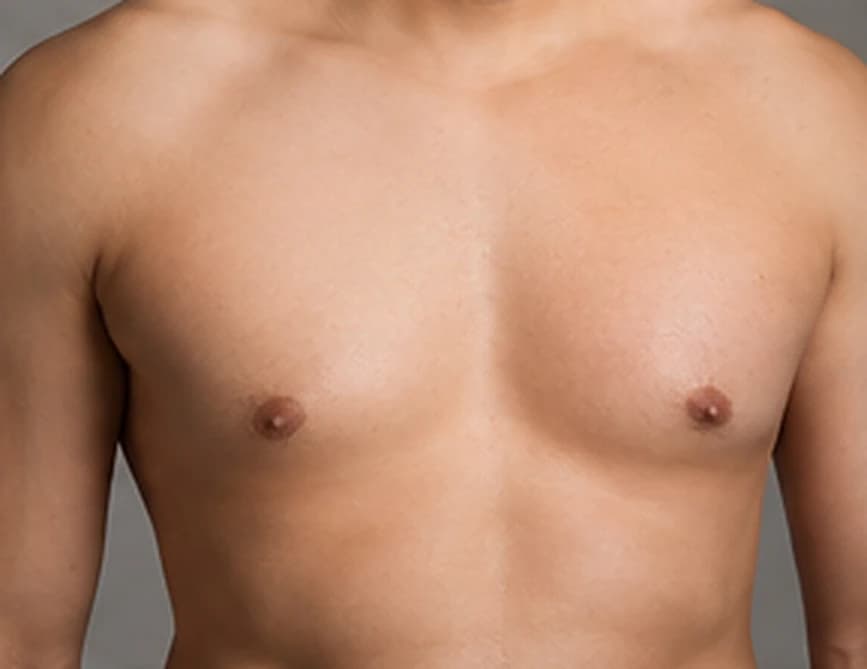
Gynecomastia surgery reduces enlarged male breast tissue, using liposuction, direct excision of glandular tissue, or both. Persistent gynecomastia should be medically assessed first, since it occasionally has an underlying cause that needs treating.
- Duration
- Typically 1–3 hours
- Anaesthesia
- General anaesthesia, or local with sedation for limited cases
- Hospital stay
- Day case or one night
- Recommended Turkey stay
- Typically around 7–10 days before flying
- Initial recovery
- About 1–2 weeks before returning to desk work
- Final result
- Contour settles over roughly 3–6 months
01
What is Gynecomastia Surgery (Male Breast Reduction)?
Gynecomastia is enlargement of glandular breast tissue in men. It is common in adolescence and often resolves on its own; when it persists into adulthood it does not usually regress without treatment. It is important to distinguish true gynecomastia — firm glandular tissue behind the nipple — from pseudogynecomastia, which is fat alone. Liposuction alone works well for fat but does not remove firm glandular tissue, which usually needs direct excision. Before surgery, a proper assessment matters. Persistent or recent-onset gynecomastia can occasionally relate to medication, hormonal conditions, liver or kidney disease, or, rarely, a tumour. Any new, one-sided or tender enlargement warrants medical investigation rather than going straight to surgery.
02
Surgeons offering Gynecomastia Surgery (Male Breast Reduction)



03
Cost in Turkey
What affects price
Price varies with whether excision as well as liposuction is needed, whether skin removal is required, anaesthesia, and surgeon experience.
04
Types & techniques
These are variants of the same operation, not a ranking. Which one suits you is a surgical judgement made after examination — the differences below are what that conversation is about.
Liposuction alone
Appropriate where the enlargement is predominantly fat and the skin has good elasticity.
Glandular excision
Firm breast tissue is removed directly, usually through an incision at the edge of the areola.
Combined liposuction and excision
A commonly used approach that addresses both the fatty and glandular components.
Skin excision
Where there is substantial excess skin, often after major weight loss, skin is removed and the nipple repositioned. This leaves longer scars.
05
Who may be suitable
May be suitable
- Adult men with persistent breast enlargement that has been stable
- Those whose gynecomastia has been medically assessed where appropriate
- People at a stable weight with realistic expectations
- Non-smokers, or those willing to stop before and after surgery
May not be suitable
- Adolescents whose gynecomastia may still resolve naturally
- Men whose enlargement has an untreated underlying medical or drug cause
- Those planning significant weight loss, which is better completed first
- People using anabolic steroids who have not stopped, since the condition commonly recurs
Medical assessment required: Persistent, recent, one-sided or tender breast enlargement in men should be medically investigated before surgery is considered. Suitability can only be confirmed by a qualified surgeon who has examined you in person and reviewed your medical history.
06
Recovery timeline
- Stages
- 4
- Begins
- First week
- Final stage
- 3–6 months
First week
Stage 1 of 4A compression garment is usually worn continuously. Swelling, bruising and soreness are expected.
Weeks 2–4
Stage 2 of 4Most people return to desk work early in this period. Compression typically continues.
Weeks 4–8
Stage 3 of 4Gradual return to exercise as advised; chest training is usually last to resume.
3–6 months
Stage 4 of 4Swelling fully settles and the final chest contour becomes apparent; scars continue maturing.
Typical stages, not a schedule you are held to. Healing varies with anatomy, technique and general health, and your surgeon's own aftercare instructions override anything here.
Limitations
What it cannot do, and where expectations often run ahead.
Surgery removes tissue that is already present. It does not prevent recurrence if an underlying cause continues, and it is not a treatment for general weight loss.
Scarring
Where marks are left, and how they typically settle.
Liposuction leaves small marks. Glandular excision usually leaves a scar at the lower edge of the areola. Skin-excision techniques leave longer, more visible scars.
07
Risks & complications
| Risk | What it means |
|---|---|
| Bleeding and haematoma | A collection of blood under the skin, occasionally needing a further procedure to drain it. |
| Infection | Usually treated with antibiotics; rarely requires surgical washout. |
| Anaesthetic complications | Risks specific to the anaesthetic used, which the anaesthetist should discuss with you separately. |
| Unsatisfactory aesthetic result | Asymmetry, over- or under-correction, or a result that does not match expectations. May require revision surgery. |
| Contour irregularity | Over-resection can leave a saucer-like hollow behind the nipple; under-resection leaves residual fullness. |
| Nipple sensation change | Numbness or altered sensation, usually temporary but occasionally lasting. |
| Loose skin | Where skin elasticity is poor, removing volume can leave skin that does not retract, sometimes needing further surgery. |
| Recurrence | Particularly where an underlying hormonal cause or anabolic steroid use continues. |
| Nipple necrosis | Rare, but a risk where the nipple is repositioned in larger skin-excision procedures. |
What applies to every procedure: symptoms that need help now, flying after surgery and insurance.
08
Hospitals & clinics offering Gynecomastia Surgery (Male Breast Reduction)
09
Alternatives
Where a medication or hormonal cause is identified, addressing that may help, particularly early on. Weight loss improves pseudogynecomastia but does not remove glandular tissue.
10
Frequently asked questions
What is gynecomastia surgery?+
Gynecomastia surgery, or male breast reduction, removes excess breast gland and fat from the male chest to create a flatter, firmer contour. Depending on what is causing the enlargement, the surgeon may use liposuction, remove firm glandular tissue through a small incision at the edge of the areola, or combine both. When there is significant loose skin, often after major weight loss, skin may also need to be removed and the nipple repositioned. The aim is a natural chest shape without a hollow beneath the nipple, which requires careful removal rather than taking as much tissue as possible.
Should gynecomastia be checked by a doctor before surgery?+
Gynecomastia should be medically assessed before surgery, because it can have an underlying cause. Common causes include hormonal changes during puberty or ageing, anabolic steroids, some prescription medicines, cannabis or alcohol use, weight gain, and liver, kidney or thyroid conditions. Treating or removing the cause may reduce the enlargement or prevent it from returning. Recent, rapidly growing, painful or one-sided enlargement, a hard lump, nipple discharge or skin changes should be examined promptly, as male breast cancer is rare but possible. Your surgeon may request blood tests or imaging.
Who is a good candidate for gynecomastia surgery?+
Good candidates are generally adult men in good health whose chest enlargement has persisted, whose weight is stable, and who have addressed any medical or medication-related cause. In teenagers, gynecomastia often improves as puberty ends, so surgeons usually wait unless symptoms are severe or persistent. Men with enlargement caused mostly by fat may see improvement with weight loss before surgery is considered. Anyone still using anabolic steroids or other causative substances risks recurrence. You can find surgeons who list gynecomastia surgery for an assessment.
Is liposuction enough, or does the gland need to be removed?+
Liposuction alone can work when enlargement is mainly fatty tissue, sometimes called pseudogynecomastia, but firm glandular tissue behind the nipple usually needs to be cut out. Glandular tissue is dense and does not respond well to liposuction, so leaving it can result in a persistent bump under the areola. Many patients have a mixture of fat and gland and are treated with both techniques. Surgeons assess the texture of the chest tissue during examination and sometimes with ultrasound. The approach also affects scar placement, recovery and the risk of contour irregularities.
Will gynecomastia surgery leave visible scars?+
Most gynecomastia surgery leaves small scars that usually become less noticeable as they heal. Gland removal is commonly performed through an incision along the lower edge of the areola, where the colour change helps hide the scar, and liposuction uses small puncture incisions around the chest or armpit. Men with substantial loose skin, especially after major weight loss, may need skin removal that leaves longer scars across or beneath the chest. Scar quality depends on skin type, healing and tension. Ask to see healed results from patients with a similar amount of tissue and skin laxity.
Can gynecomastia come back after surgery?+
Gynecomastia can return after surgery, although removed gland tissue does not usually regrow. Recurrence is more likely if the original cause continues, such as anabolic steroid use, certain medications, hormonal conditions or significant weight gain. Remaining gland tissue can also enlarge if hormone levels change. Maintaining a stable weight and avoiding substances known to cause breast enlargement helps protect the result. If new swelling appears after surgery, see a doctor to identify the cause instead of assuming the operation was incomplete.
What are the risks of gynecomastia surgery?+
Risks include contour irregularities, asymmetry, residual tissue, a sunken or crater appearance beneath the nipple if too much tissue is removed, and changes in nipple or chest sensation. Blood or fluid can collect under the skin as a haematoma or seroma, sometimes requiring drainage. Other possible problems include infection, poor scarring, skin discolouration and, when skin is removed, wound healing issues. The balance between removing enough tissue and preserving a natural contour is central to the result, so ask your surgeon how they plan the amount and location of tissue removal.
What is recovery like after gynecomastia surgery?+
Most patients go home the same day or after one night and return to desk work within one to two weeks. A compression vest is usually worn for several weeks to reduce swelling and help the skin adapt to the new contour. Bruising and swelling are common, and the chest can feel firm or numb for a while. Surgeons generally advise avoiding heavy upper-body exercise, especially chest workouts, for several weeks. Early results are visible soon after surgery, but the final contour usually becomes clear over about three to six months as swelling resolves.
How long should I stay in Turkey after gynecomastia surgery?+
Patients are commonly advised to plan around 7–10 days in Turkey after gynecomastia surgery before flying home. This gives time for a wound check, assessment for fluid collection and removal of any drains. Wear your compression vest during travel if instructed, walk during long flights and avoid carrying heavy bags. Ask whether removed tissue will be sent for pathology and how you will receive the report. Also get written guidance on compression, exercise and warning signs such as sudden swelling on one side. Our flying after surgery guide explains travel precautions.
What affects the cost of gynecomastia surgery in Turkey?+
The cost of gynecomastia surgery in Turkey depends mainly on whether liposuction, gland excision, skin removal or a combination is needed, along with the surgeon's fee, hospital, anaesthesia and operating time. Pre-operative blood tests or ultrasound, pathology, compression vests, medication, drains, follow-up visits and accommodation may or may not be included. Men with significant loose skin after weight loss usually need a more extensive operation. Ask for a written, itemised quote after your chest has been assessed, and ask how further treatment would be charged if residual tissue remains. Request a gynecomastia consultation for an individual assessment.
Medical disclaimer
This content is educational and does not constitute medical advice or a diagnosis. It is not a substitute for an individual assessment by an appropriately qualified healthcare professional. Risks, suitability, and outcomes vary by patient. Prices are estimates unless confirmed by a provider's written quotation. Inclusion of any doctor or facility on this site is not a guarantee of outcome. Read the full medical disclaimer.
Why Türkiye
What Türkiye offers, and how to check it
A national authorisation scheme, specialist surgeons and prices set beside those of the countries patients travel from — each with a source you can check.
A national authorisation scheme
Hospitals and clinics treating international patients must hold a Ministry of Health health-tourism authorisation and, under the 2025 regulation, must also carry complication insurance for operating-room procedures.
How providers are checked1,935 plastic surgery specialists
Plastic, reconstructive and aesthetic surgery is its own specialty in Türkiye, and every profile states the surgeon's title, what we checked and, where we hold it, where they practise.
Meet the surgeonsPrices you can compare in the open
Türkiye set against the NHS and American Society of Plastic Surgeons figures for the same operation — nothing converted between currencies, every figure dated.
Compare the figures845 hospitals and clinics, 70 cities
1,949 surgeons and 40 procedures listed, from Istanbul and Ankara to İzmir and Antalya — and a patient team to help you shortlist.
See the hospitals