Plastic & Cosmetic Surgery in Turkey
Otoplasty (Ear Surgery) in Turkey
Compare surgeons, costs, treatment options, recovery information and patient results.
Otoplasty reshapes or repositions prominent ears, most often by reshaping the cartilage and setting the ear closer to the head. It is commonly performed from around age five or six, once ear growth is largely complete.

- Duration
- Typically 1–2 hours
- Anaesthesia
- Local anaesthesia with sedation, or general anaesthesia (often general in children)
- Hospital stay
- Usually a day case
- Recommended Turkey stay
- Typically around 5–7 days before flying
- Initial recovery
- About 1–2 weeks for visible bruising and swelling to settle
- Final result
- Final shape usually settles over 3–6 months
01
What is Otoplasty (Ear Surgery)?
Otoplasty, also called ear pinning or ear reshaping, addresses ears that project further from the head than a person would like, or ears with an underdeveloped fold in the cartilage. The surgeon reshapes the cartilage and, where needed, removes a small amount of skin behind the ear so the ear sits closer to the head. The operation does not change hearing. It is one of the few aesthetic procedures commonly performed on children, because the outer ear reaches near-adult size early — though it is also performed on adults. Most otoplasty is done through an incision behind the ear, where the resulting scar sits in the natural crease and is difficult to see.
02
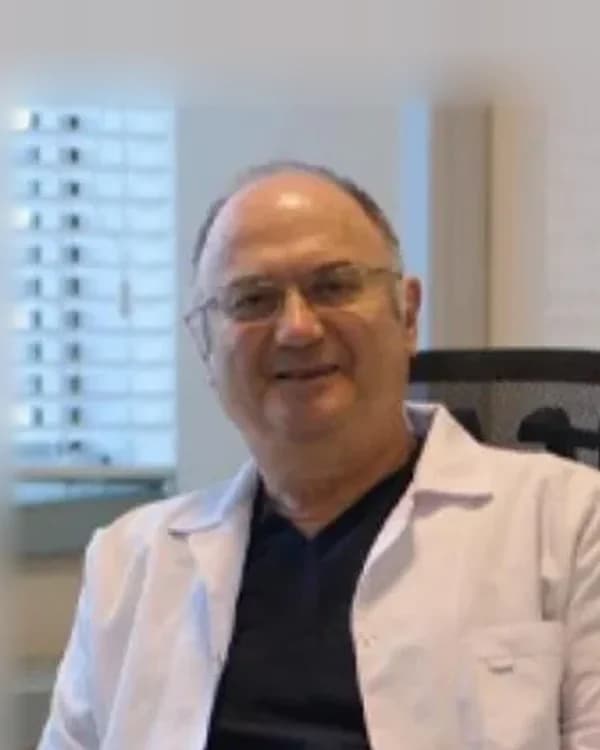
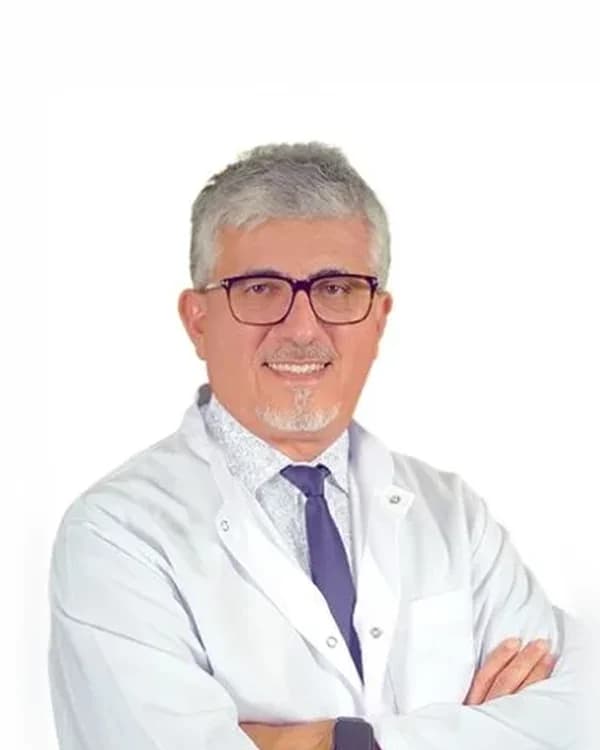
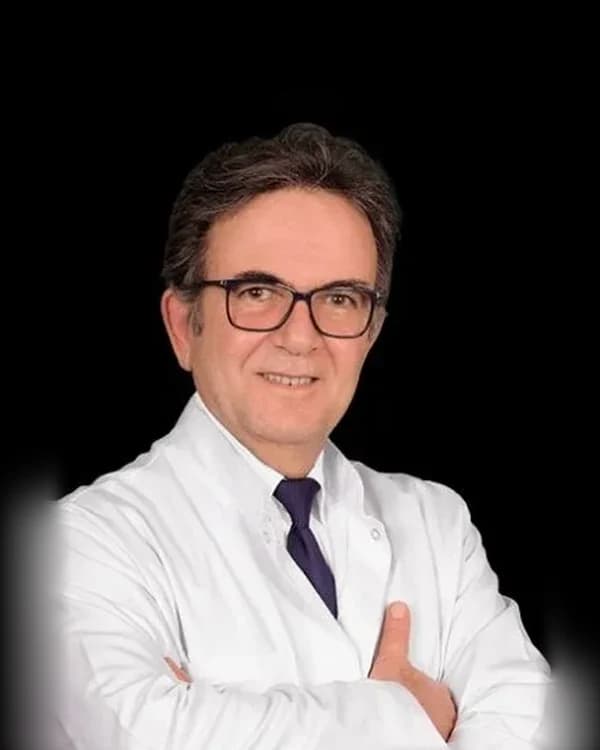
Surgeons offering Otoplasty (Ear Surgery)

03
Cost in Turkey
What affects price
Price varies with whether one or both ears are treated, the technique used, the type of anaesthesia, and the surgeon's experience.
04
Types & techniques
These are variants of the same operation, not a ranking. Which one suits you is a surgical judgement made after examination — the differences below are what that conversation is about.
Cartilage-scoring techniques
The cartilage is scored or thinned so it bends into a new shape, then held with sutures.
Suture-only (cartilage-sparing) techniques
Permanent sutures reshape the fold without cutting cartilage, which can reduce the risk of sharp contour edges.
Cartilage excision
A small amount of cartilage is removed where the ear is particularly prominent, then reshaped.
Incisionless / minimal-incision otoplasty
Sutures are placed through small punctures rather than an open incision. Suitable only for selected ear shapes.
05
Who may be suitable
May be suitable
- Adults and children (commonly from around age five or six) with prominent or asymmetric ears
- People in good general health with realistic expectations
- Those bothered by ear shape rather than seeking a change for someone else
- Non-smokers, or those willing to stop before and after surgery
May not be suitable
- Children whose ears are still growing significantly
- People with an active skin infection over the ear
- Those with a bleeding disorder that has not been assessed
- Anyone expecting perfectly identical ears — natural asymmetry remains
Medical assessment required: Suitability can only be confirmed by a qualified surgeon who has examined you in person and reviewed your medical history.
06
Recovery timeline
- Stages
- 4
- Begins
- First few days
- Final stage
- 3–6 months
First few days
Stage 1 of 4A supportive head dressing is usually worn. Expect soreness, throbbing and swelling.
Week 1
Stage 2 of 4The main dressing is generally removed and replaced with a lighter headband, often worn at night for several weeks.
Weeks 2–6
Stage 3 of 4Most swelling settles. Contact sports and anything that could bend the ear are usually avoided.
3–6 months
Stage 4 of 4Final shape settles as tissues soften and residual swelling resolves.
Typical stages, not a schedule you are held to. Healing varies with anatomy, technique and general health, and your surgeon's own aftercare instructions override anything here.
Limitations
What it cannot do, and where expectations often run ahead.
Otoplasty changes ear position and shape. It does not affect hearing, and it cannot make both ears perfectly identical.
Scarring
Where marks are left, and how they typically settle.
The usual incision sits in the crease behind the ear and is generally well hidden. Keloid or thickened scarring is possible, particularly in those prone to it.
07
Risks & complications
| Risk | What it means |
|---|---|
| Bleeding and haematoma | A collection of blood under the skin, occasionally needing a further procedure to drain it. |
| Infection | Usually treated with antibiotics; rarely requires a further procedure to drain or clean the wound. |
| Anaesthetic complications | Risks specific to the anaesthetic used, which the anaesthetist should discuss with you separately. |
| Unsatisfactory aesthetic result | Asymmetry, over- or under-correction, or a result that does not match expectations. May require revision surgery. |
| Recurrence of prominence | The ear can partially return towards its original position, particularly with suture-only techniques. |
| Suture extrusion | A permanent stitch can work its way to the surface and need removal. |
| Altered sensation | Numbness of the ear is common early on and usually improves, but can persist. |
| Cartilage irregularity | Sharp edges or visible ridges in the cartilage where it has been scored. |
What applies to every procedure: symptoms that need help now, flying after surgery and insurance.
08
Hospitals & clinics offering Otoplasty (Ear Surgery)
09
Alternatives
Non-surgical ear moulding can work in newborns during the first weeks of life, while cartilage is still highly malleable. It is not effective in older children or adults.
10
Frequently asked questions
What is otoplasty?+
Otoplasty is ear surgery that changes the shape, position or proportion of the outer ear. It is most often performed to set prominent ears closer to the head by reshaping the ear cartilage and creating or strengthening the natural fold called the antihelix. It can also reduce an enlarged concha, the bowl of the ear, correct some ear deformities or reduce a large earlobe. The incision is usually hidden behind the ear. Otoplasty does not improve hearing, because it treats the external ear rather than the ear canal or inner ear.
At what age can otoplasty be performed?+
Otoplasty can be performed in children once the ears are close to adult size, commonly from around five or six years old, and it can also be performed in teenagers and adults. For children, surgeons consider whether the child understands the procedure, is bothered by the ears and can cooperate with dressings and recovery. Newborn ear moulding is a non-surgical option only in early infancy. Adults can have otoplasty at any age if they are healthy. Cartilage becomes firmer with age, which may affect the techniques a surgeon chooses.
Who is a good candidate for ear pinning surgery?+
Good candidates have ears that stick out, are uneven in shape or position, or have a particular cartilage shape that bothers them, and they are in good general health. Adults and older children should want the surgery for themselves and have realistic expectations about symmetry. People who previously had otoplasty and experienced relapse may also be evaluated. Active ear infections or skin problems should be resolved before surgery. You can find surgeons who list otoplasty and ask whether your ear shape is suitable.
What techniques are used in otoplasty?+
Otoplasty techniques commonly use permanent stitches to fold ear cartilage and pull the ear closer to the head. Some methods create a new antihelical fold, while others reduce the prominence of the concha. Surgeons may also score, thin or remove small portions of cartilage to help reshape it. Stitch-based techniques through tiny incisions may suit selected ears, while other ears need an incision behind the ear. The best technique depends on which part of the ear causes the prominence, cartilage stiffness and the degree of correction needed.
Will otoplasty leave visible scars?+
Otoplasty scars are usually placed behind the ear, often in or near the crease where the ear meets the head, so they are generally not visible from the front. Scar quality can vary, and some scars may look red or raised for several months before fading. People with a history of keloid or hypertrophic scars should tell their surgeon, because scars around the ear can occasionally become thick or raised. Keeping incisions clean, avoiding tension and following scar care instructions support healing. Ask to see healed results from the side and back.
Can otoplasty correct asymmetric ears?+
Otoplasty can improve asymmetric ears, but perfect symmetry cannot be guaranteed because natural ears are rarely identical. Sometimes only one ear needs surgery, while in other cases both ears are adjusted to create better balance. The surgeon considers ear projection, height, shape of the folds and position relative to the head. Differences in cartilage strength and healing can also affect the final result. Photographs from the front, back and both sides help plan the changes. Ask what degree of symmetry is realistic for your ears.
What are the risks of otoplasty?+
Otoplasty risks include asymmetry, recurrence of ear prominence, over-correction that makes ears look too flat, irregular ear contours, and a telephone ear deformity in which the middle of the ear is pinned back more than the top and bottom. Permanent stitches can become visible or work their way through the skin. Other risks include bleeding, haematoma, infection of the skin or cartilage, poor or raised scarring, numbness and cold sensitivity. Severe or increasing pain after surgery should be reported promptly because it can indicate haematoma or infection.
What is recovery like after otoplasty?+
Otoplasty is usually a day-case procedure. A padded head dressing is often worn for the first days to protect the ears, followed by a soft headband that may be worn at night for several weeks. Bruising, swelling and tenderness usually settle over about one to two weeks. Patients are commonly advised to avoid sleeping on the ears, contact sports and activities that could bend the ears during early healing. Children may need time off school. The final ear shape usually settles over three to six months.
How long should I stay in Turkey after otoplasty?+
Patients are commonly advised to plan around 5–7 days in Turkey after otoplasty before flying home. This allows the dressing to be removed or changed, the ears to be checked for haematoma or infection, and headband instructions to be explained. If a child is having surgery, consider how they will manage travel, sleeping and protection of the ears on the journey. Bring loose clothing that does not need to be pulled over the head. Before leaving, get operation notes and a plan for later checks at home. Read our guide to complications after returning home.
What affects the cost of otoplasty in Turkey?+
Otoplasty cost in Turkey depends on whether one or both ears are treated, the technique, the complexity of the ear shape, the type of anaesthesia, operating time, surgeon's fee and facility. Earlobe reduction or correction of previous surgery may increase the price. Dressings, headbands, medication, follow-up visits and accommodation may be charged separately. General anaesthesia, often used for children, may cost more than local anaesthesia with sedation. Ask for an itemised written quote. Request an otoplasty consultation for an individual assessment.
Medical disclaimer
This content is educational and does not constitute medical advice or a diagnosis. It is not a substitute for an individual assessment by an appropriately qualified healthcare professional. Risks, suitability, and outcomes vary by patient. Prices are estimates unless confirmed by a provider's written quotation. Inclusion of any doctor or facility on this site is not a guarantee of outcome. Read the full medical disclaimer.
Why Türkiye
What Türkiye offers, and how to check it
A national authorisation scheme, specialist surgeons and prices set beside those of the countries patients travel from — each with a source you can check.
A national authorisation scheme
Hospitals and clinics treating international patients must hold a Ministry of Health health-tourism authorisation and, under the 2025 regulation, must also carry complication insurance for operating-room procedures.
How providers are checked1,935 plastic surgery specialists
Plastic, reconstructive and aesthetic surgery is its own specialty in Türkiye, and every profile states the surgeon's title, what we checked and, where we hold it, where they practise.
Meet the surgeonsPrices you can compare in the open
Türkiye set against the NHS and American Society of Plastic Surgeons figures for the same operation — nothing converted between currencies, every figure dated.
Compare the figures845 hospitals and clinics, 70 cities
1,949 surgeons and 40 procedures listed, from Istanbul and Ankara to İzmir and Antalya — and a patient team to help you shortlist.
See the hospitals