Plastic & Cosmetic Surgery in Turkey
Botulinum Toxin (Anti-Wrinkle Injections) in Turkey
Compare surgeons, costs, treatment options, recovery information and patient results.
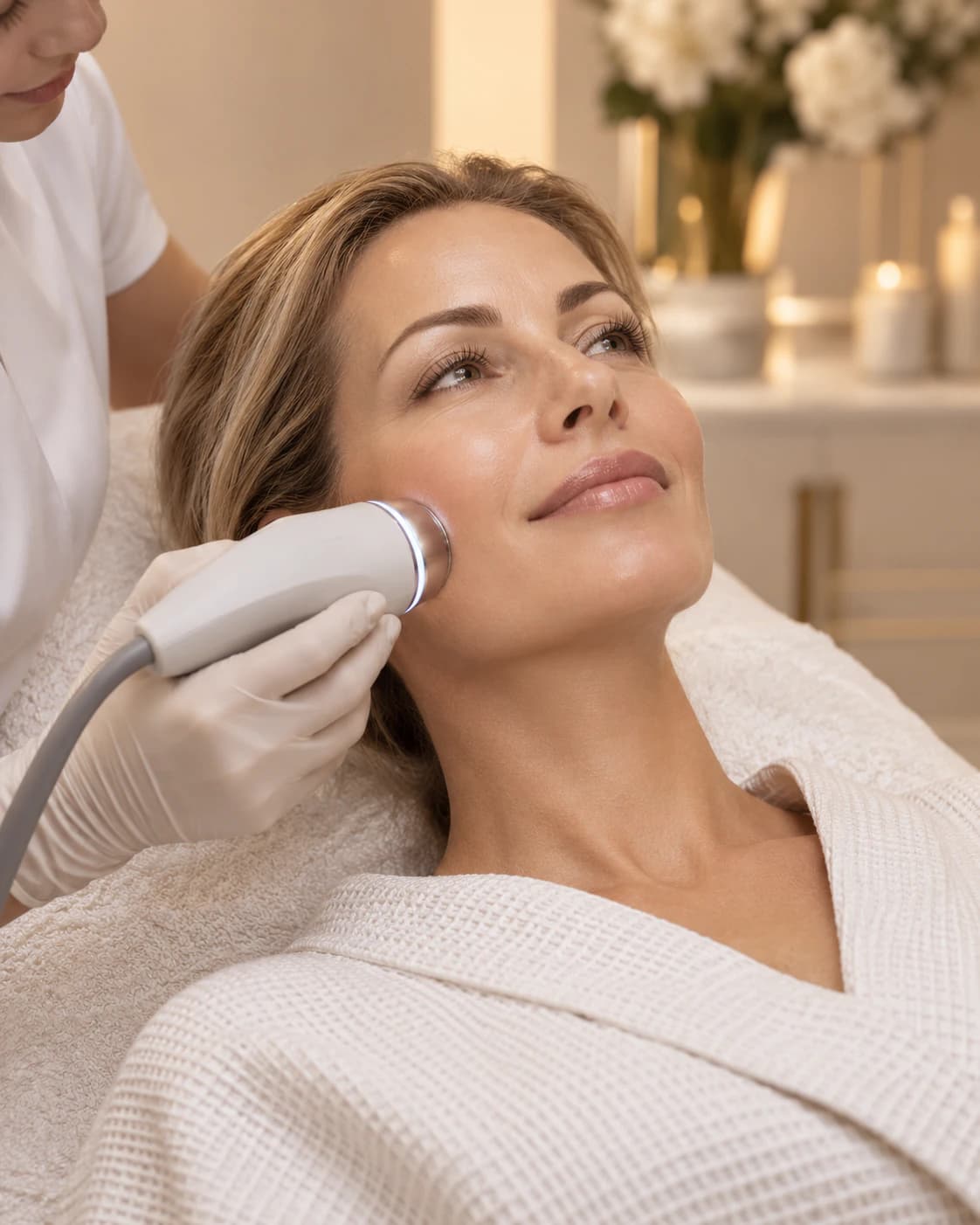
Botulinum toxin injections temporarily relax specific facial muscles to soften lines caused by movement. Effects typically last a few months, and it is a prescription medicine that should be administered by an appropriately qualified practitioner.
- Duration
- Typically 10–20 minutes
- Anaesthesia
- None usually required; topical numbing occasionally used
- Hospital stay
- Not applicable — outpatient treatment
- Recommended Turkey stay
- No stay required for the treatment itself
- Initial recovery
- Immediate return to most activity, with some short-term restrictions
- Final result
- Effect develops over 3–14 days and typically lasts around 3–4 months
01
What is Botulinum Toxin (Anti-Wrinkle Injections)?
Botulinum toxin blocks the signal between nerve and muscle, temporarily reducing muscle activity. In aesthetic use it softens lines created by repeated expression — typically frown lines, forehead lines and lines at the outer corners of the eyes. It works on dynamic lines, those caused by movement. Lines etched into the skin at rest respond less well and may need different treatment. Botulinum toxin is a prescription medicine, not a cosmetic product. Who is permitted to prescribe and administer it varies by country, and it should follow a proper consultation and medical history rather than being treated as a walk-in beauty service.
02
Surgeons offering Botulinum Toxin (Anti-Wrinkle Injections)

03
Cost in Turkey
What affects price
Price varies with the number of areas treated, the amount of product used, the product brand, and the practitioner's qualifications.
04
Types & techniques
These are variants of the same non-surgical procedure, not a ranking. Which one suits you is a clinical judgement made after examination — the differences below are what that conversation is about.
Glabellar (frown line) treatment
Injection into the muscles between the brows that create vertical frown lines.
Forehead line treatment
Treating the muscle that raises the brows. Requires care, since over-treatment can cause brow heaviness.
Crow's feet treatment
Injection around the outer corner of the eye to soften lines formed on smiling.
Masseter treatment
Injection into the jaw muscle, used for teeth grinding or to slim a heavy jawline.
05
Who may be suitable
May be suitable
- Adults with dynamic lines caused by facial expression
- People in good general health with realistic expectations
- Those who understand the effect is temporary and requires repeat treatment
May not be suitable
- People who are pregnant or breastfeeding
- Those with neuromuscular disorders such as myasthenia gravis
- People with infection at the proposed injection site
- Those with a known allergy to any component of the product
Medical assessment required: This is a prescription medicine. It requires a consultation and medical history with a practitioner qualified to prescribe and administer it in the country where you are treated.
06
Recovery timeline
- Stages
- 4
- Begins
- First few hours
- Final stage
- 3–4 months
First few hours
Stage 1 of 4Small raised bumps at injection sites settle quickly. Lying flat and rubbing the area are usually avoided for a period.
Days 3–7
Stage 2 of 4The effect begins to appear as muscle activity reduces.
Days 10–14
Stage 3 of 4Full effect established. Any review or adjustment is usually done around this point.
3–4 months
Stage 4 of 4Effect gradually wears off as muscle activity returns.
Typical stages, not a schedule you are held to. Healing varies with anatomy, technique and general health, and your doctor's own aftercare instructions override anything here.
Limitations
What it cannot do, and where expectations often run ahead.
Botulinum toxin softens lines caused by muscle movement. It does not tighten loose skin, restore volume, or improve pigmentation and texture.
Scarring
Where marks are left, and how they typically settle.
No scarring; injections are made with a very fine needle.
07
Risks & complications
| Risk | What it means |
|---|---|
| Bruising and swelling | At injection sites, usually short-lived. |
| Eyelid or brow droop (ptosis) | Caused by the product affecting an unintended muscle. Temporary, but can persist for weeks until the effect wears off. |
| Asymmetry | Uneven effect between the two sides, sometimes correctable with a small adjustment. |
| Headache | Common in the days after treatment. |
| Unwanted expression changes | A heavy or 'frozen' appearance where too much product is used or it is placed poorly. |
| Spread of effect | Rarely, effects at a distance from the injection site. Any difficulty swallowing or breathing after treatment requires urgent medical attention. |
What applies to every procedure: symptoms that need help now, flying after surgery and insurance.
08
Hospitals & clinics offering Botulinum Toxin (Anti-Wrinkle Injections)
09
Alternatives
Dermal fillers address volume loss and static lines. Skin treatments target texture and pigmentation. Surgery addresses laxity, which injectables cannot.
10
Frequently asked questions
What are botulinum toxin anti-wrinkle injections?+
Botulinum toxin anti-wrinkle injections use a purified medicine that temporarily relaxes selected facial muscles, softening lines caused by repeated movement. They are commonly used for frown lines between the eyebrows, horizontal forehead lines and crow's feet around the eyes. Well-known brands include Botox, Dysport and Xeomin, and products are not always interchangeable unit for unit. The injections do not add volume or remove skin, so lines caused by volume loss or sagging may need different treatment. Results depend on dose, placement and individual muscle strength.
Which areas can be treated with botulinum toxin?+
Botulinum toxin is most often used for dynamic wrinkles, such as frown lines, forehead lines and crow's feet. It may also be used to soften bunny lines on the nose, reduce a gummy smile, relax prominent jaw muscles, soften some neck bands, lift the outer brow slightly or reduce excessive sweating. Some uses may be off-label, depending on the product and country. Deep static lines that remain at rest may improve only partly. A practitioner should assess your facial movement and explain which areas are suitable for treatment.
How long does botulinum toxin take to work and how long does it last?+
Botulinum toxin usually begins to take effect within about three to fourteen days, with the full effect often seen around two weeks. Results typically last around three to four months, although duration varies by product, dose, treatment area, muscle strength and individual metabolism. Some people notice shorter results in areas with strong muscles or when a low dose is used. Repeat treatments are needed to maintain the effect. Many practitioners offer a review around two weeks after treatment to assess symmetry and whether adjustment is needed.
Is botulinum toxin treatment safe?+
Botulinum toxin treatment is widely used and generally well tolerated when an approved product is injected by a trained medical professional, but it is not risk-free. Common side effects include bruising, swelling, headache and temporary asymmetry. Less common effects include drooping of the eyelid or brow, a heavy forehead or unwanted changes in expression. Rarely, effects can spread beyond the injected area. Counterfeit or improperly handled products can cause serious harm. Treatment is generally avoided during pregnancy or breastfeeding and requires caution with some neuromuscular conditions.
How do I choose a practitioner for botulinum toxin in Turkey?+
Choose a medical professional trained in facial anatomy and in managing side effects, and ask who will perform the injection. Ask which brand is being used, request to see the sealed packaging or batch details, and confirm that the product has been stored properly. Treatment should take place in a clinical setting, not at a party or informal venue. The practitioner should discuss your medical history, medications and expectations before injecting. You can find doctors who list botulinum toxin and compare their profiles.
Will botulinum toxin make me look frozen?+
Botulinum toxin does not have to create a frozen look. The effect depends on the dose, the muscles injected and your natural facial movement. A higher dose may reduce movement more strongly, while a lighter approach can soften lines while preserving some expression. Tell your practitioner whether you prefer a subtle or smoother result and whether you have had side effects before. A conservative first treatment followed by review can help reduce the risk of overcorrection. Remember that results are temporary and gradually wear off.
What aftercare is recommended after botulinum toxin?+
Aftercare advice varies by practitioner, but patients are commonly told not to rub, massage or press on treated areas for the rest of the day. Some practitioners advise staying upright for several hours and avoiding strenuous exercise, saunas or heavy alcohol use immediately after treatment. Mild redness, small bumps or bruising may appear at injection points and usually settle quickly. Contact your practitioner if you notice drooping eyelids, difficulty swallowing, breathing problems, significant weakness or signs of infection. Follow the written instructions you receive.
Can I have botulinum toxin injections during a short trip to Turkey?+
Botulinum toxin injections take only a short time, but a short trip may make follow-up difficult. Because the full effect is usually assessed after about two weeks, a patient who flies home soon after treatment may not be able to attend a review or adjustment. Consider having treatment early in your stay if a follow-up visit is possible. Before treatment, ask how you will contact the practitioner, what records you will receive and how side effects would be managed at home. Flying is not usually a reason to avoid treatment, but ask your practitioner about timing.
What is the difference between botulinum toxin and dermal fillers?+
Botulinum toxin relaxes muscles to soften lines caused by movement, while dermal fillers add volume or structure beneath the skin. Botulinum toxin is commonly used for forehead lines, frown lines and crow's feet. Fillers are more often used for lost volume, deep folds, lips, cheeks or contour changes. Some patients benefit from both, but they are different treatments with different risks and duration. A practitioner should identify whether a concern is due to movement, volume loss or skin laxity. Compare the options in our dermal fillers guide.
What affects the cost of botulinum toxin injections in Turkey?+
Botulinum toxin cost in Turkey depends on the product brand, the number of units needed, the areas treated, the practitioner's experience and the clinic. Some clinics charge per area, while others charge per unit or by a package, so compare what dose is included. A follow-up review or top-up may or may not be included in the price. Very low prices should prompt questions about product authenticity and who performs the treatment. Ask for the brand, dose and total cost in writing. Request a botulinum toxin consultation for an individual quote.
Medical disclaimer
This content is educational and does not constitute medical advice or a diagnosis. It is not a substitute for an individual assessment by an appropriately qualified healthcare professional. Risks, suitability, and outcomes vary by patient. Prices are estimates unless confirmed by a provider's written quotation. Inclusion of any doctor or facility on this site is not a guarantee of outcome. Read the full medical disclaimer.
Why Türkiye
What Türkiye offers, and how to check it
A national authorisation scheme, specialist surgeons and prices set beside those of the countries patients travel from — each with a source you can check.
A national authorisation scheme
Hospitals and clinics treating international patients must hold a Ministry of Health health-tourism authorisation and, under the 2025 regulation, must also carry complication insurance for operating-room procedures.
How providers are checked1,935 plastic surgery specialists
Plastic, reconstructive and aesthetic surgery is its own specialty in Türkiye, and every profile states the surgeon's title, what we checked and, where we hold it, where they practise.
Meet the surgeonsPrices you can compare in the open
Türkiye set against the NHS and American Society of Plastic Surgeons figures for the same operation — nothing converted between currencies, every figure dated.
Compare the figures845 hospitals and clinics, 70 cities
1,949 surgeons and 40 procedures listed, from Istanbul and Ankara to İzmir and Antalya — and a patient team to help you shortlist.
See the hospitals