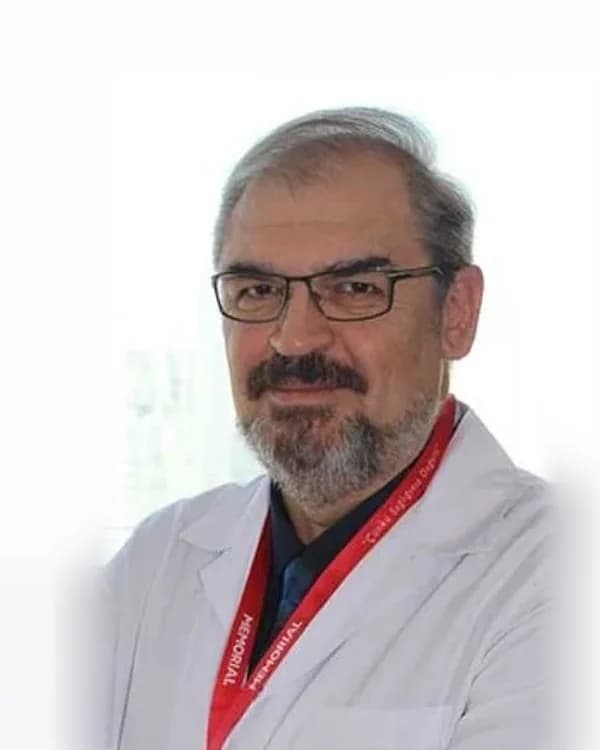
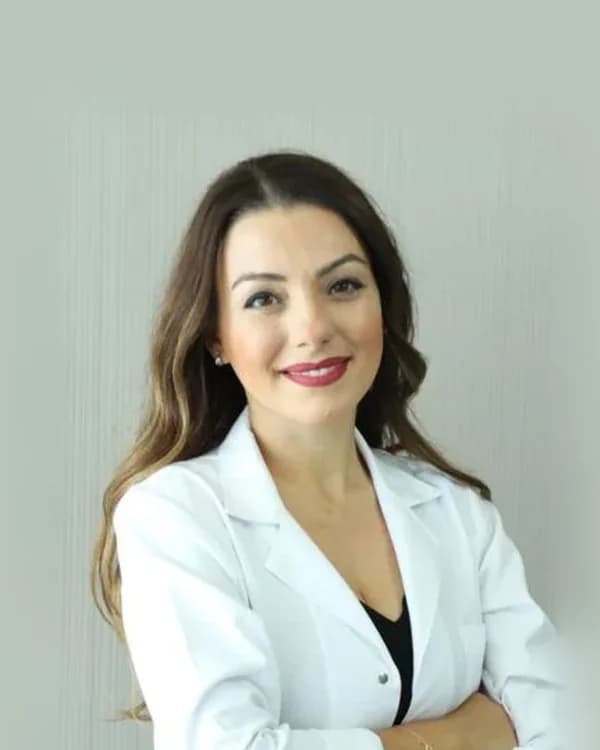
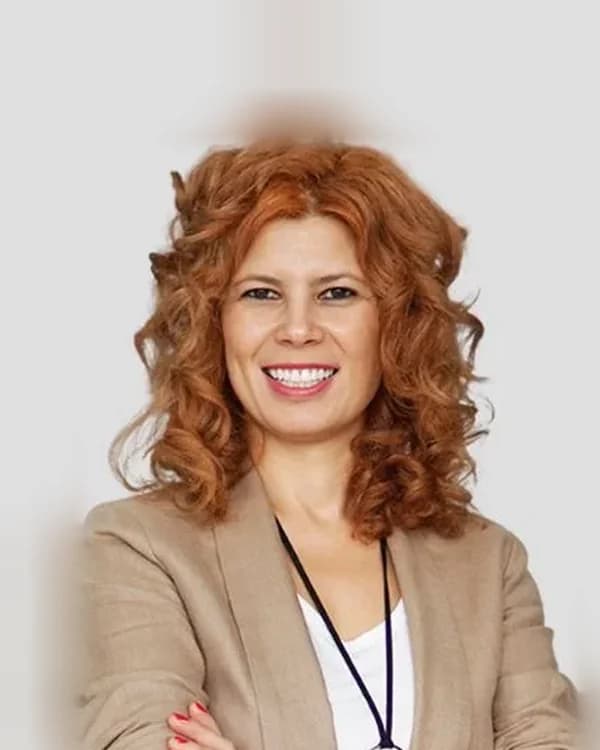
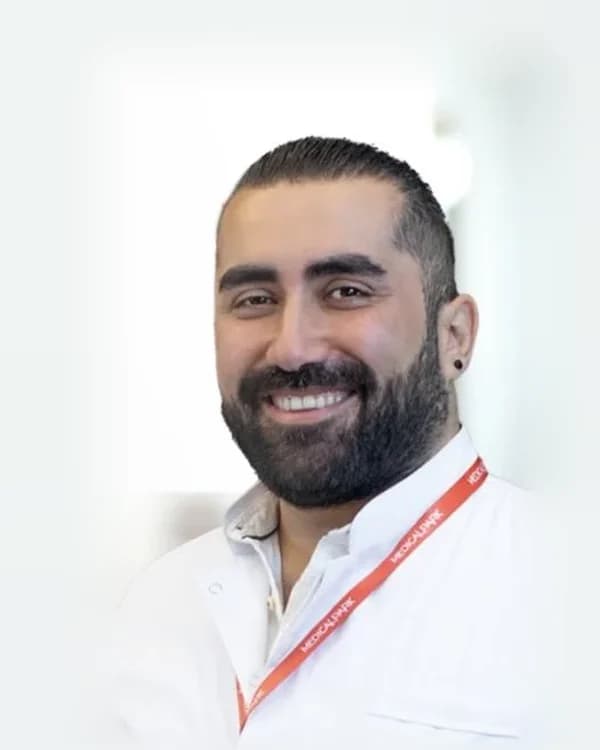
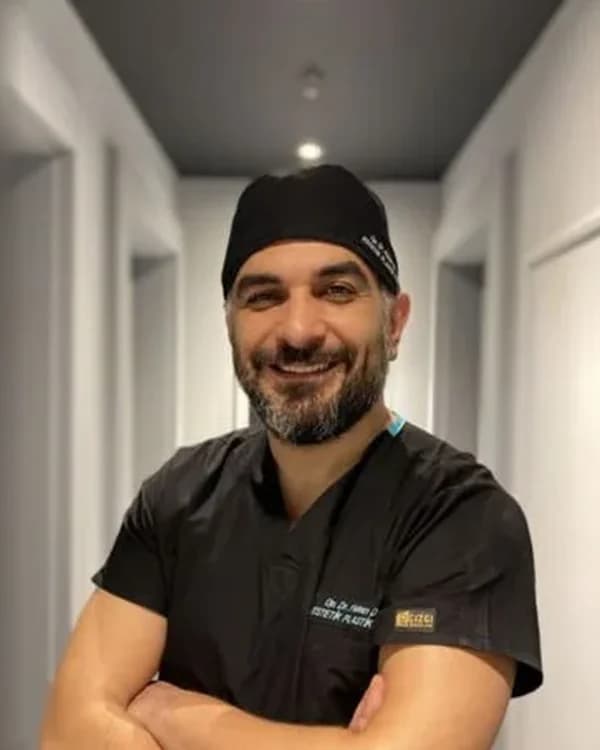
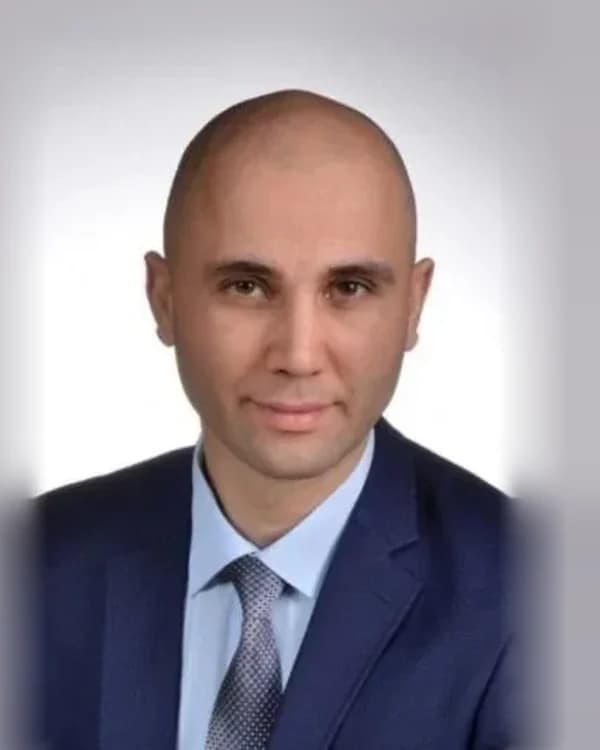
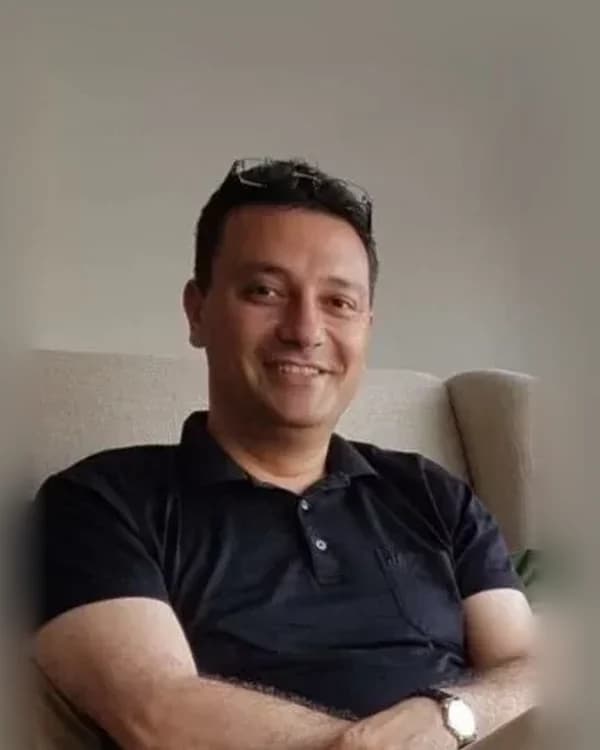
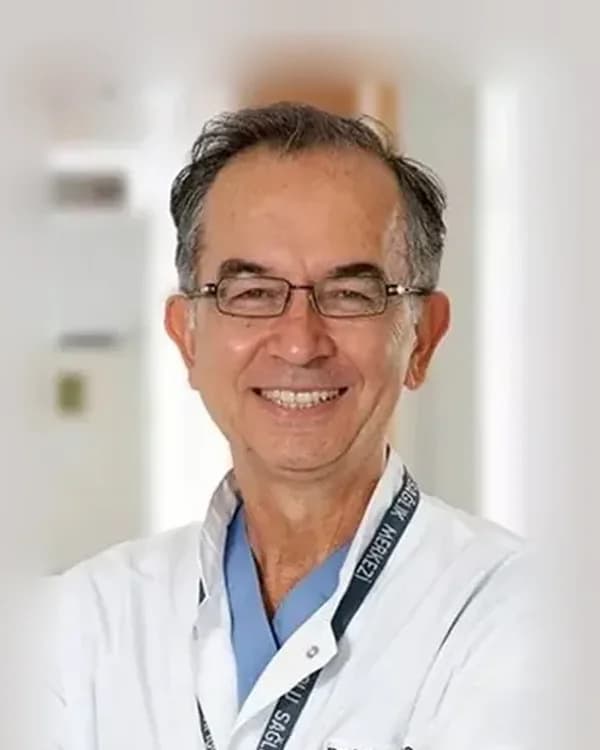
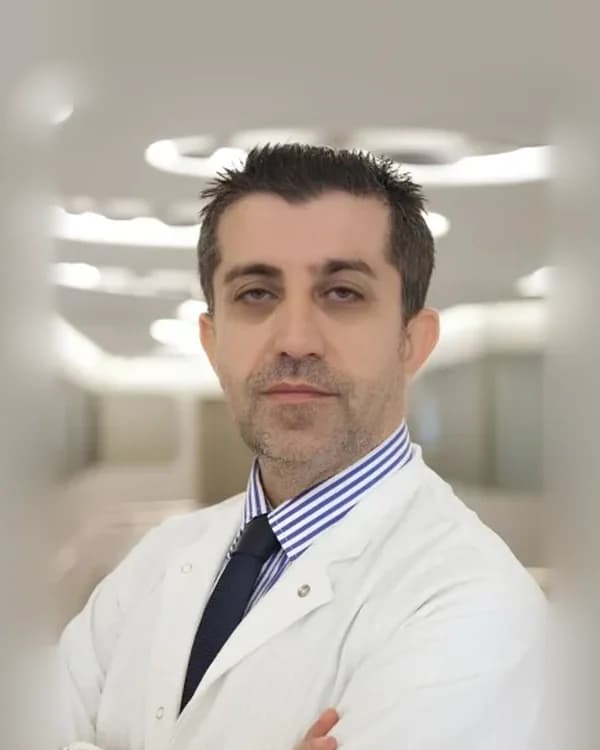
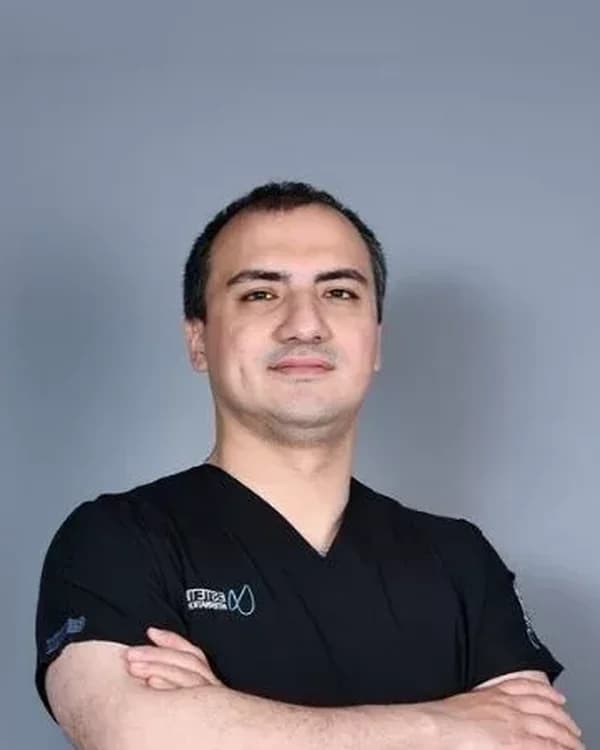
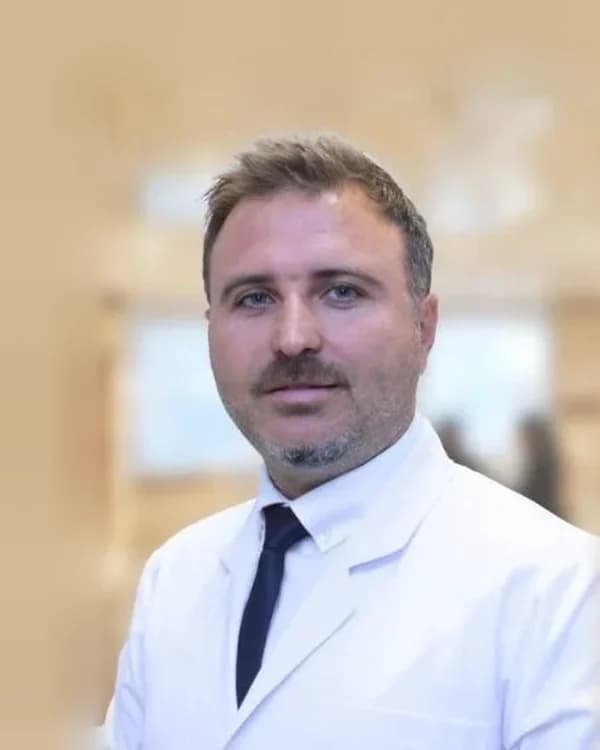
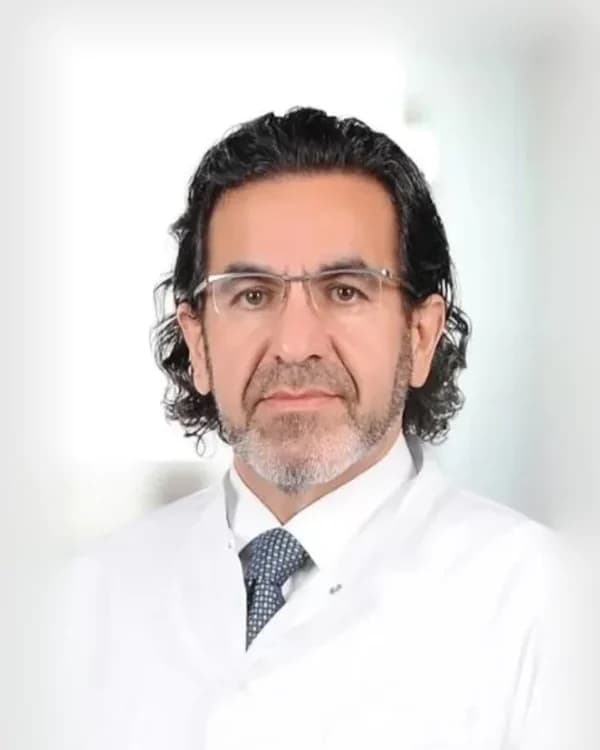
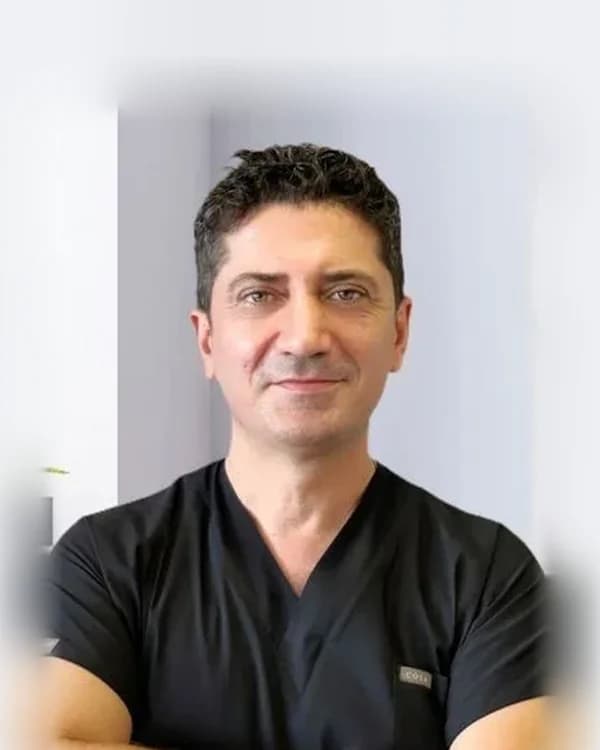
He is fluent in English and Spanish, and his expertise includes Reconstructive Aesthetic Breast surgery, Rhinoplasty, Body shaping, etc. Yaprak is a part of the Reconstructive and aesthetic Surgeons team at Medical Park Adana Hospital.
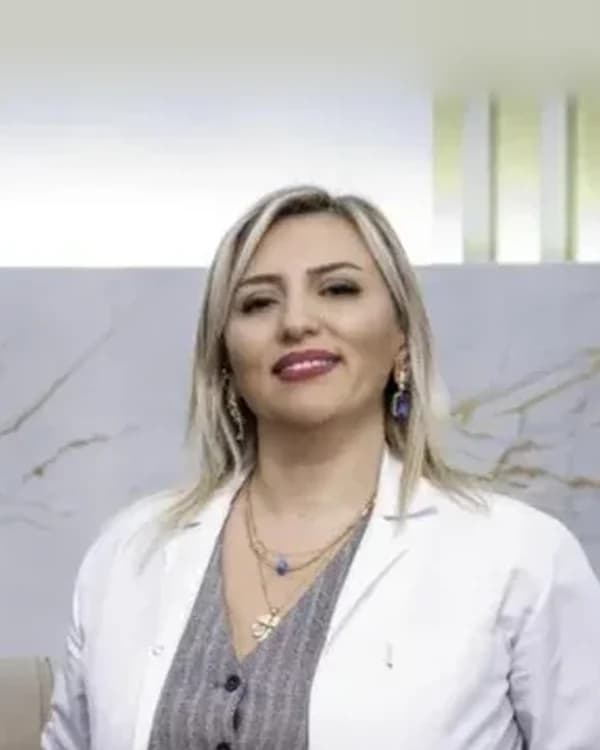
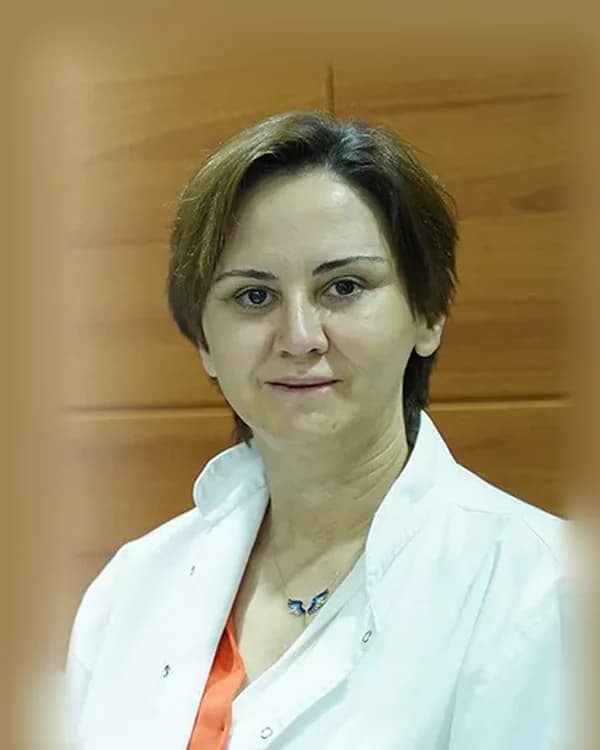
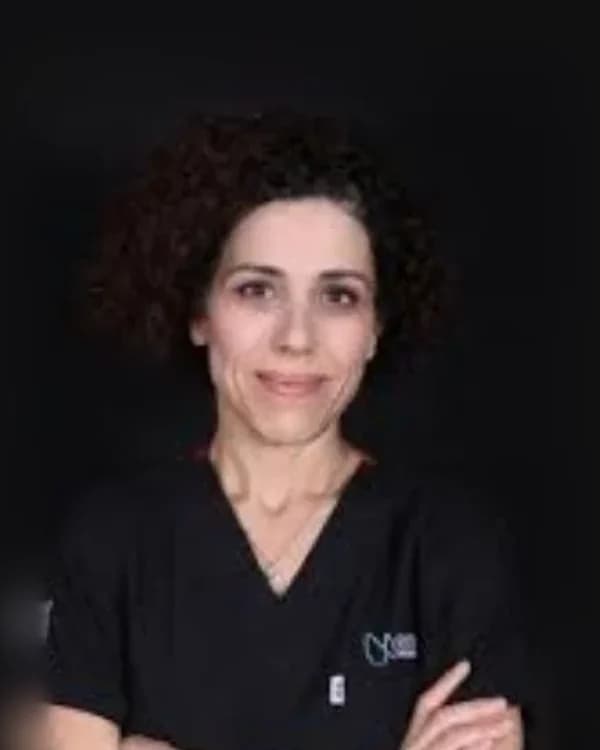
She is currently working at Memorial Sisli Hospital. The doctor focuses on the treatment of skin diseases, including: Skin cancer Hair loss Deviated nose Cleft palate
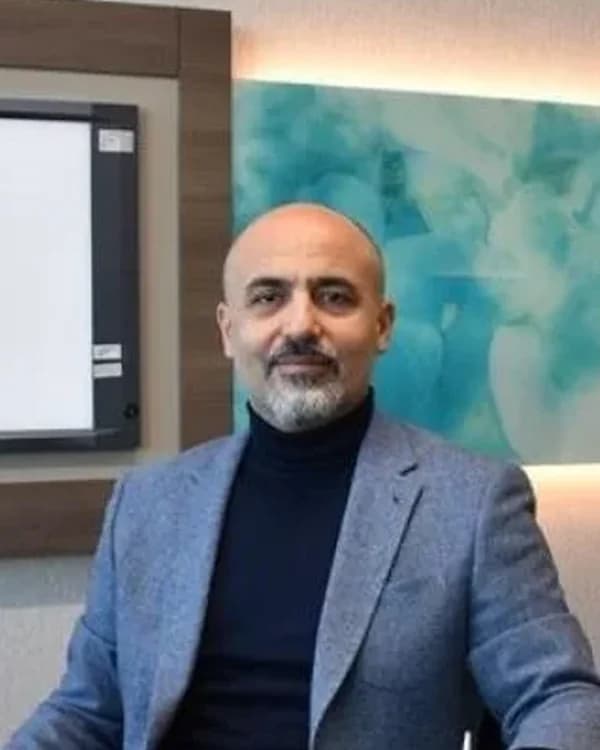
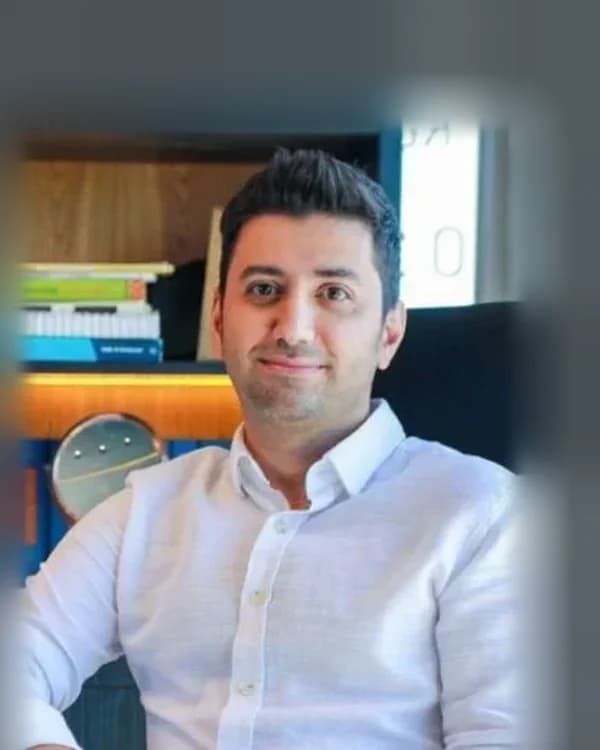
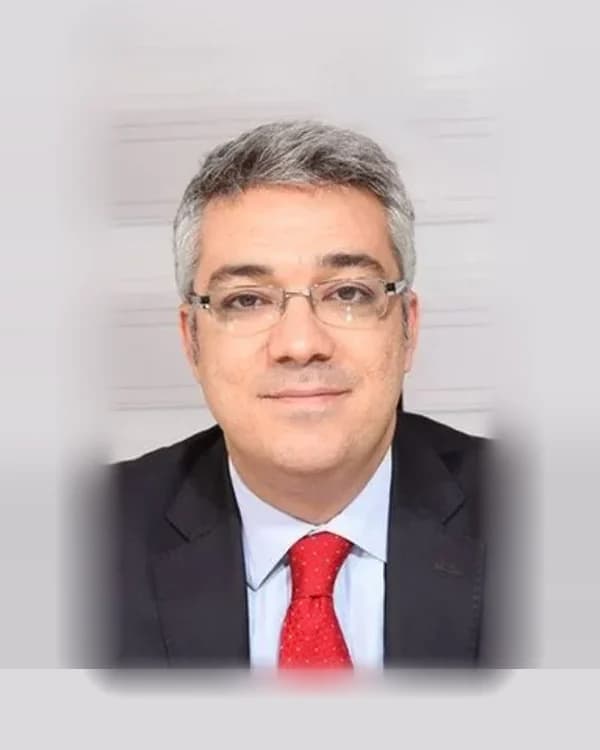
Gursel is a talented surgeon who can deal with various procedures and symptoms such as deviated nose, acne scars, droopy eyelids, and patchy skin. Gursel is assisting at Liv Hospital Ulus. He has also been fond of football and was associated with Galatasaray Sports Club; he has also briefly studied sports medicine.
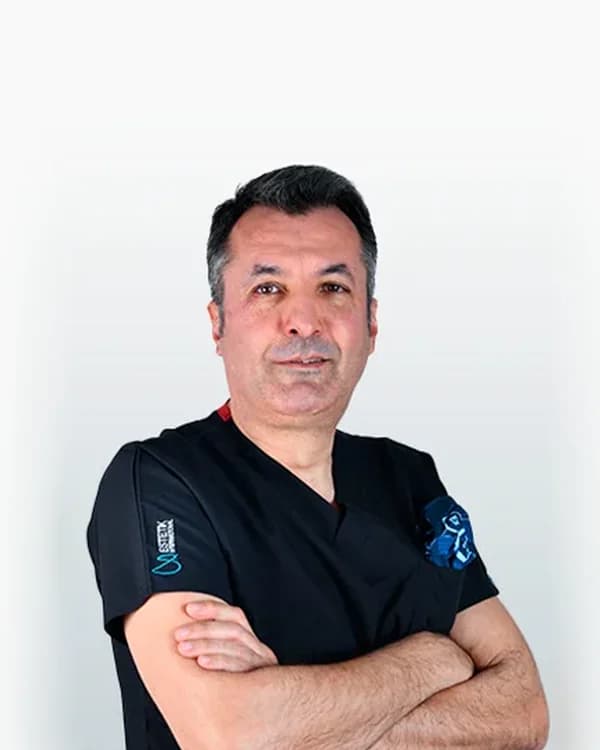
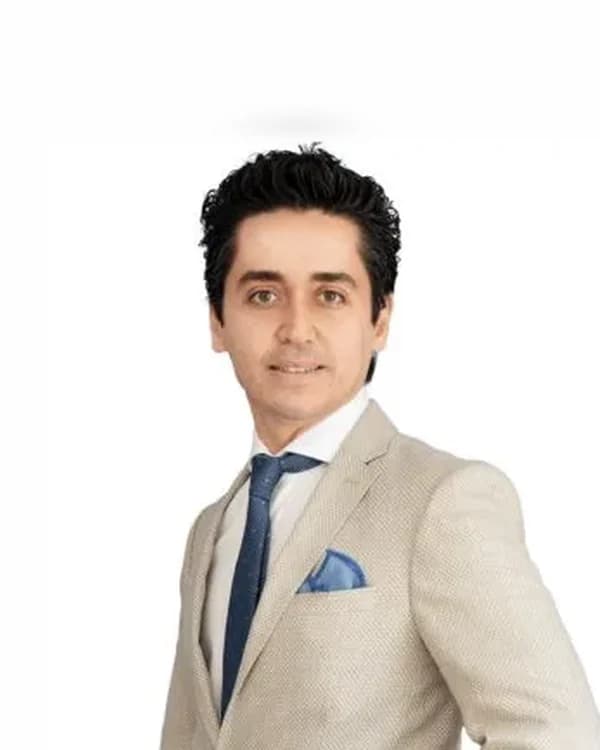
Hakan Teymur is a European board-certified plastic, reconstructive, and aesthetic surgeon from Turkey. Teymur's special interests include: Microsurgical reconstruction of soft tissues. Head & neck reconstruction. Aesthetic procedures like breast augmentation, breast reduction, rhinoplasty, facelift and liposuction.
He is a specialist in plastic surgery and treats after-surgery scars, burns, and skin tumors. He additionally spends significant time in maxillofacial medical procedures. He serves both grownups and young patients.
Throughout his career, he has performed over 10,000 treatments and has gained recognition for his work in hair restoration, medical aesthetics, and non-surgical cosmetic procedures.
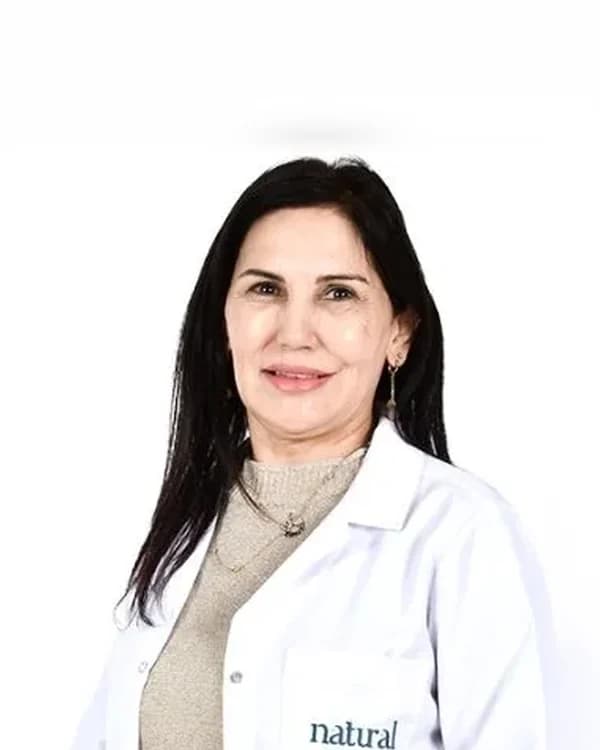
He is currently in association with the Estetik International Hospital in Turkey. Apart from being a plastic surgeon, Dr. That’s not only it, he also has mastered a variety of plastic surgery procedures such as abdominoplasty and mammoplasty.
She currently is part of Estetik international hospital that is specifically providing internationally competitive services in the area of cosmetic and plastic surgery. She has her specialty in liposuction, buttock lift, cheek implants, microsurgery, breast surgeries, and dermabrasion.
He started his career as a general practitioner and later pursued specialization in the field, focusing on aesthetic and reconstructive surgical procedures.
How to find, check and compare surgeons, what to ask at consultation, and how this directory is put together.
How do I find the right plastic surgeon in Turkey for my procedure?
There is no single best plastic surgeon for every patient; the right surgeon is one whose training and regular experience match the procedure you need and whose results include patients similar to you. Start by narrowing this directory to your procedure and city, then shortlist two or three surgeons. Check their specialist training, where they operate and how aftercare works, and compare them after consultations rather than on advertising or price. Our guide to choosing a surgeon sets out each check.
What qualifications should a plastic surgeon in Turkey have?
A plastic surgeon in Turkey should have a medical degree and a specialist qualification in plastic, reconstructive and aesthetic surgery (Plastik, Rekonstrüktif ve Estetik Cerrahi), awarded after several years of specialist training. Some procedures are also performed by other specialists: ear, nose and throat surgeons perform rhinoplasty and septoplasty, and oculoplastic surgeons perform eyelid surgery. Membership of societies such as TPRECD or ISAPS can add context but does not replace specialist training. Ask to see the specialist certificate (uzmanlık belgesi). How we check surgeon records.
How can I verify a surgeon's credentials before travelling to Turkey?
Verify credentials against sources the surgeon does not control. The Turkish Society of Plastic, Reconstructive and Aesthetic Surgeons (TPRECD) publishes a member search, many Turkish universities publish their surgeons' academic records on the AVESİS system, and hospital websites list their own staff. Ask for the specialist certificate and confirm the name matches the surgeon you will meet. Be cautious if a clinic uses the title Dr. without naming a specialty, or will not tell you who will operate. Where a profile's details have been checked, the profile names the source.
How should I compare plastic surgeons?
Compare surgeons on the same points for the same procedure: specialist training, how often they perform your operation, before-and-after results from patients with similar anatomy, the hospital where they operate, the anaesthesia arrangements, and the aftercare plan once you are home. Put the same written questions to each and note how clearly they explain risks and alternatives. Price matters, but compare it last and only between like-for-like, itemised quotes. Compare surgeons side by side.
What should I look for in a surgeon's before-and-after photos?
Look for patients whose anatomy, age and goals resemble yours, photographed from the same angles, in the same lighting and without make-up, filters or changed posture. Results shown a year or more after surgery are more informative than early ones, and a range of cases says more than a few standout examples. Ask whether photographs were published with the patient's consent. Previous results show what a surgeon has achieved for others; they cannot predict or promise your own outcome. Browse published results.
Can a surgeon in Turkey assess me online before I travel?
A surgeon can review photographs and your medical history online and give an initial opinion, which helps you plan and shortlist, but it cannot replace an in-person examination. Skin quality, tissue thickness, breathing and other findings may change the plan once you are examined, so a firm diagnosis or final price before that point should be treated as provisional. Send clear photographs, your medications and any previous operation notes. Request a consultation and we reply with options.
What questions should I ask a plastic surgeon at consultation?
Ask how often the surgeon performs your procedure, whether they will personally perform the whole operation, who gives the anaesthetic, and which hospital the surgery takes place in. Ask what results are realistic for your anatomy, what the main risks are for you specifically, and how complications or revision surgery are handled and paid for. Also ask how long to stay before flying and who follows you up once you are home. Ask for key answers in writing. Use our questions-before-paying worksheet.
Will the surgeon I choose perform my entire operation?
Not always, so ask directly. In some busy practices, parts of an operation may be carried out by another surgeon, an assistant or, in hair transplantation, by technicians. That can be appropriate within a supervised team, but you should know in advance who does what. Ask which steps your surgeon performs personally, who else will be in the operating theatre, and whether anyone else could replace your surgeon on the day. Get the names of the operating surgeon and the anaesthetist in writing before you pay a deposit.
How does follow-up work after surgery in Turkey once I return home?
Follow-up after you return home should be agreed before you travel, not after. Ask how long the surgeon will review your recovery, whether photographs or video calls are used, and who to contact out of hours. Take your operation notes, medication list and any implant details home, and register with a local doctor who can examine you. Know the warning signs that need urgent local care, and ask what the surgeon covers if revision surgery is needed. Complications after returning home.
Do surgeons pay to be listed or ranked in this directory?
No. Surgeons do not pay to appear in this directory, and they are not ranked or labelled by merit. Listings are built from public registers, hospital staff pages, academic records and surgeons' own websites, and each profile shows where its details come from. Profiles with a photograph are shown first and then in alphabetical order, and a profile with more checked details is more complete, not better. Filters show only the profiles that include that information. How the directory is compiled.